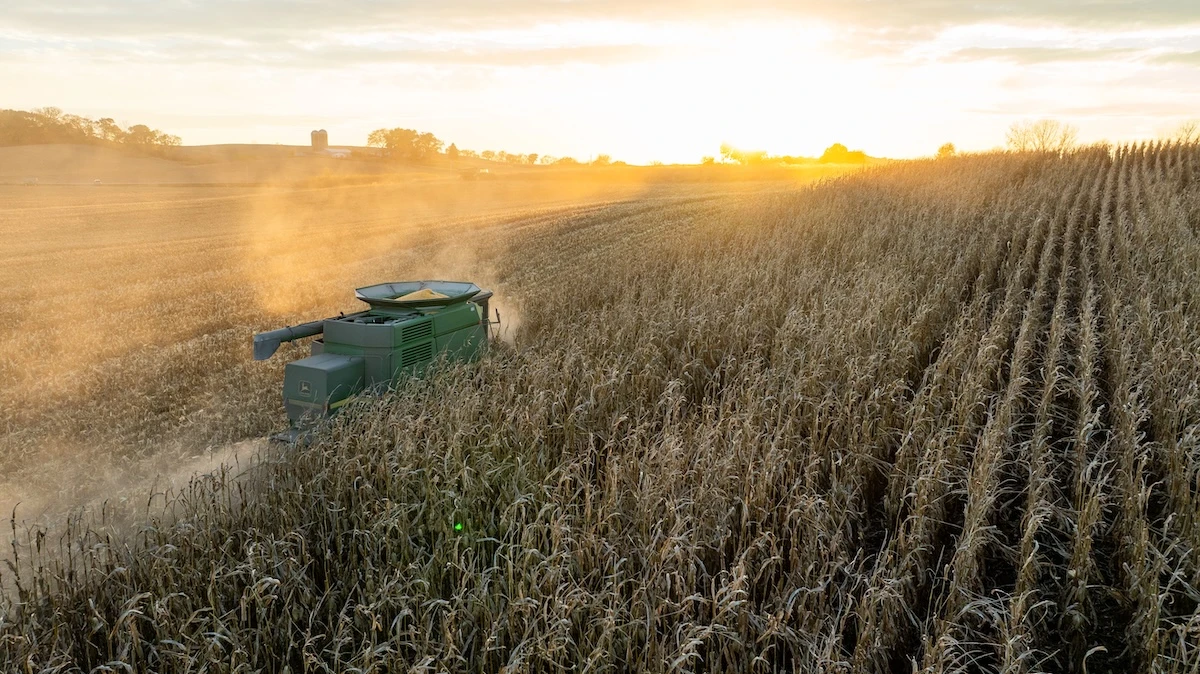
People looking to invest in farmland must evaluate potential farmland value. Understanding crop rotation benefits, studying crop rotation farming practices implemented on the property, and otherwise determining crop rotation soil health, are all important steps to take before buying farmland. Read on for many of the things crop rotation can tell you about a farm before you buy it.
Editor’s Note: This is not financial, investment, legal, or real estate advice. Consult with a financial planner, investment specialist, real estate lawyer, and real estate professional before buying or selling land at auction.
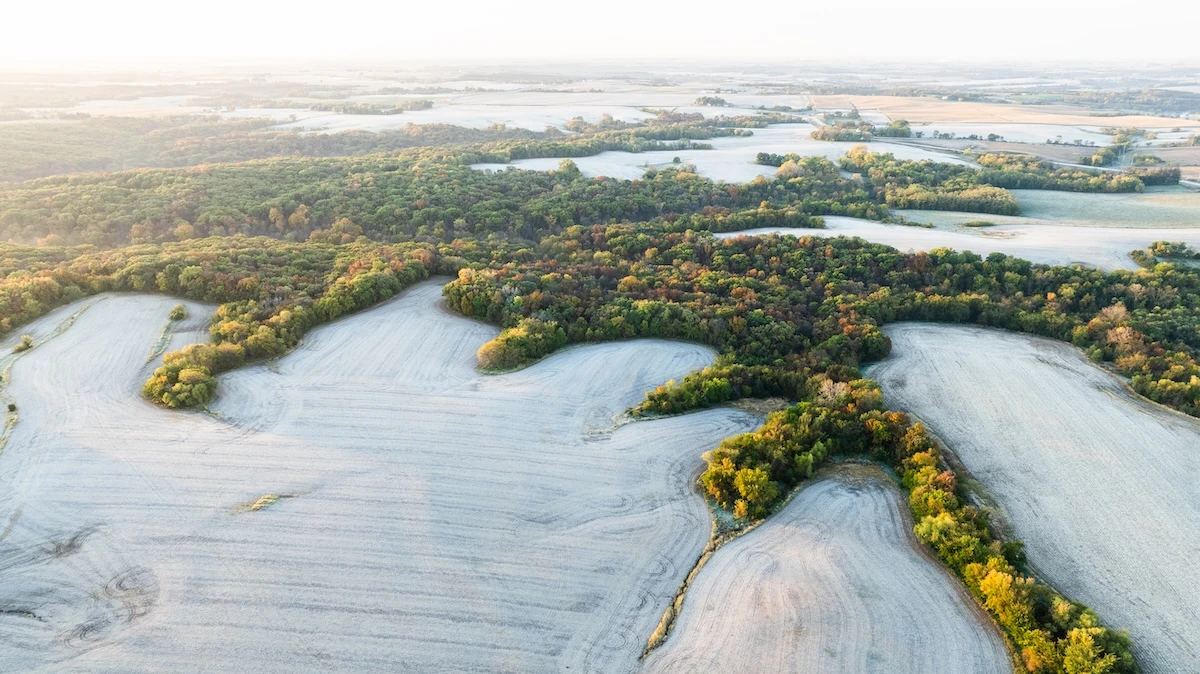
1. Scrutinizing Current and Historical Soil Quality
A history of diverse rotations suggests active soil care and robust organic matter. This allows interested buyers to scrutinize current and historical soil quality. Evaluating the crop rotation methods implemented helps them extrapolate the likely soil conditions.
2. Assessing Nutrient Depletion Risks
Monoculture or weak rotations (like continuous corn) usually indicate severely depleted macronutrients.Assessing crop rotations allows buyers to gauge nutrient depletion risks, and subsequently, overall tillable acreage property values.
3. Anatomizing Property Dependence on Fertilizer
High reliance on heavy chemical inputs in past years signals that the soil cannot naturally sustain crops.Looking into the volume of required fertilizer and lime helps assess if the landscape can carry agricultural crops year after year, as well as how much money will be needed to reach acceptable crop yields.
4. Dissecting Expected Input Costs for Soil Management
Farms with legacy legume rotations (like clover or soybeans) usually require significantly less nitrogen investment upfront. These legumes naturally input nitrogen into the soil, effectively lessening the fertilizer burden (and costs). In an age of fertilization shortages and price spikes, this has never been more important.
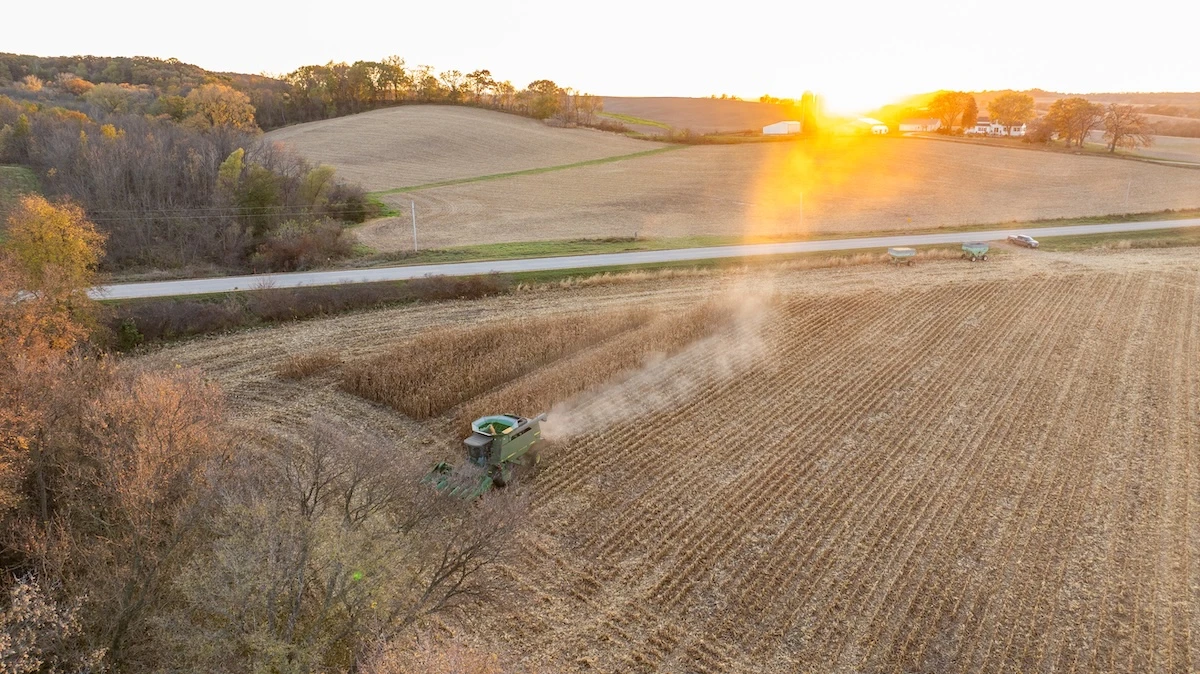
5. Evaluating Soil Compaction and Hardpan
Alternating deep-rooted crops (like alfalfa) with shallow ones proves the subsoil has been actively fractured and aerated. Without these rotations, soil compaction becomes a very real concern and expensive problem for buyers to remedy.
6. Gauging Drainage System Function
Good drainage is a must-have for crop fields. Of course, some crops handle wetter ground better than others. For example, soybeans do much better with higher water content than corn does. Rotating in and out crops that use more and less water is healthier for the dirt and water table.
7. Factoring Soil Erosion Vulnerability
Soil erosion is a real problem in ag country. Crop rotation history, especially use of cover crops, can be indicative of how well the property has been cared for. In essence, it’s directly correlated with land values.
8. Perusing Existing Weed Seed Bank
Diverse rotations disrupt weed life cycles. Poor rotations mean you will inherit a field full of potentially-herbicide-resistant weeds. This isn’t good and requires a notable amount of dirt turning to reset the plant biological clock.
9. Reviewing Risk of Soil-Borne Pathogens
Regular crop rotations minimize the risk of diseases in the soil and surrounding plant species. Regular breaks from host crops indicate lower risks of devastating diseases like soybean cyst nematode or root rot.

10. Monitoring Threat of Insect Infestations
Consistent multi-year rotations break insect life cycles, meaning fewer immediate pest crises for the next owner. When crops aren’t rotated, insect species buildups quickly become infestations, creating major problems for farmers.
11. Poring Over Property Dependence on Chemicals
Recent applications of persistent herbicides (and pesticides) in specific rotations might restrict what you can safely plant next season. Analyze available chemical history to assess what can be planted in the near future.
12. Quantifying Historical Competence of Land Managers
Structured, deliberate rotations reveal a forward-thinking, meticulous previous operator. This provides further information when determining if the property has been adequately cared for, or not. It can even assist with quantifying historical competence of land managers.
13. Reviewing Duration of Past Agricultural Leases
Land leased out on short-term contracts often shows erratic or non-existent rotations, as tenants mined the soil for quick profit. Study the longevity of leases, and inquire about their crop rotation practices, to garner information on potential soil quality.
14. Benchmarking Overall Yield via Crop Rotations
Historical data showing steady yields across a smart rotation indicates a resilient, weather-resistant farm. Even under more challenging scenarios, quality ground is capable of producing reasonable yields. Examine best, worst, mean, and average yields for a more comprehensive understanding.
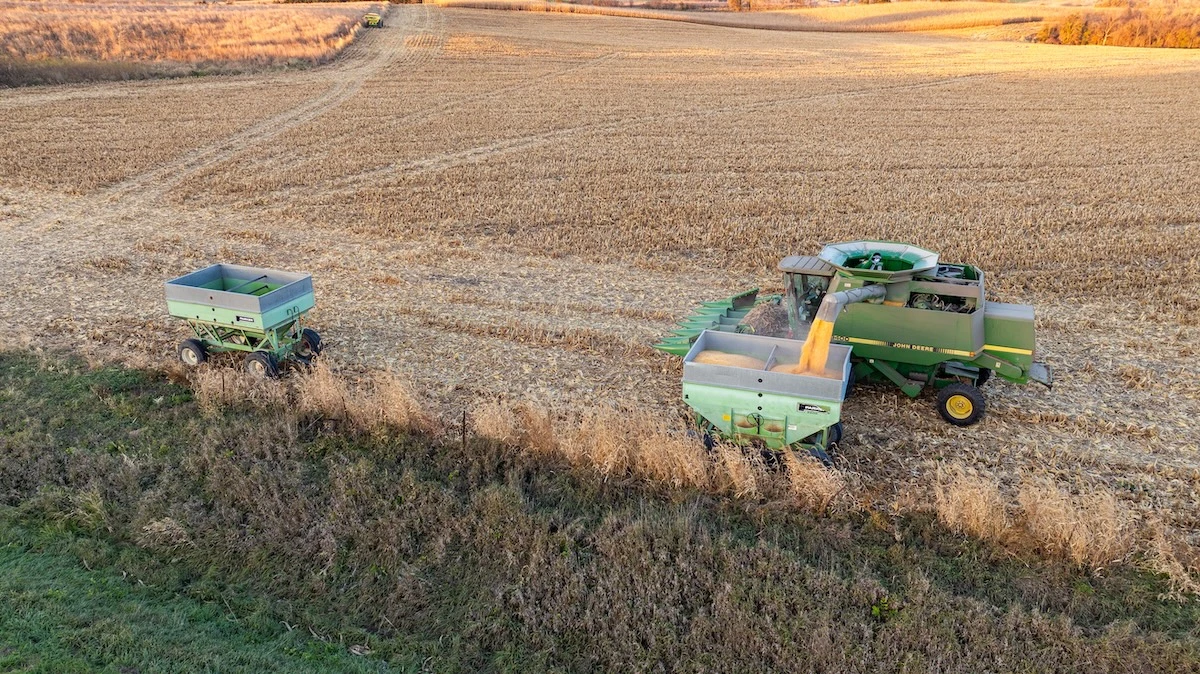
15. Estimating Potential for Faster Organic Certification
A documented history of pesticide-free cover crops and diverse rotations shortens your transition time to becoming certified organic. This can aid in estimating potential for a faster organic certification process.
16. Analyzing Carbon Credit Eligibility
Established crop rotations make the land a prime candidate for immediate enrollment in lucrative carbon programs. Confirming agricultural practices is often a prerequisite to enrolling in such land programs.
17. Vetting Immediacy of Land Usability and Revenue
The current status of property soil health directly influences how quickly it can be used to plant crops and support livestock. By vetting the immediacy of land usability and revenue, it provides better information on how profitable it can be.
18. Gauging the Future Projected Crop Output, Revenue Production, and Land Value of the Property
Lastly, observing crop rotation history and affiliated factors help gauge the future projected crop output, revenue production, and land value of the property. These are direct correlations that are completely linked and that should always be considered when looking for agricultural real estate to buy.

Ask Sellers for Available and Independent Party Soil Tests
Potential buyers should ask sellers for available soil test results. With larger and more sensitive real estate deals, it’s crucial to request your own, or at least independent party soil tests. This allows you as the buyer to confirm the soil quality of the farmland in question. Timelines permitting, complete this all-important step to feel more confident and secure in your real estate transactions.
Contact a Ranch & Farm Auctions Land Specialist Today
For landowners looking to sell at auction, contact Ranch & Farm Auctions. We can answer questions and help with your auctioneering needs. For buyers hoping to purchase land, check out some of the upcoming Ranch & Farm Auctions near you.