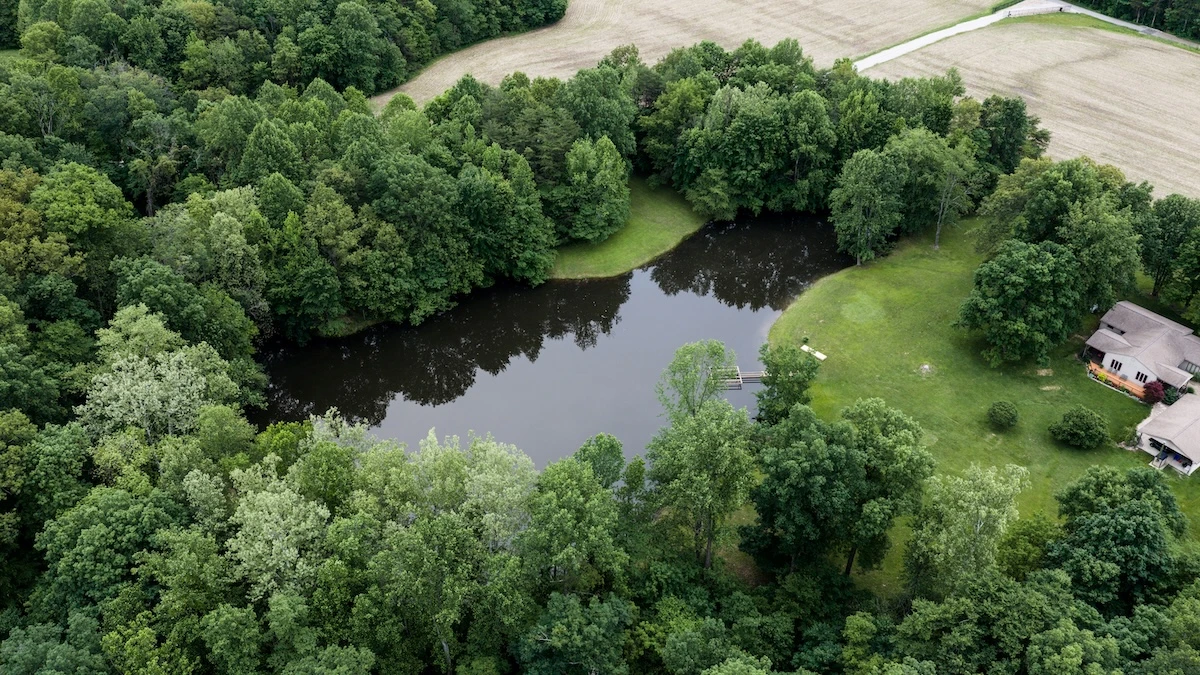
Buying land, or real estate of any kind, can be stressful. There are many potential pitfalls to be aware of. Thus, there are many tests to complete before purchasing property. Read on for more information on environmental testing and issues to know about when buying land.
Editor’s Note: This is not financial, investment, legal, or real estate advice. Consult with a financial planner, investment specialist, real estate lawyer, and real estate professional before buying or selling land at auction.
Why Buyers and Sellers Should Conduct Environmental Tests
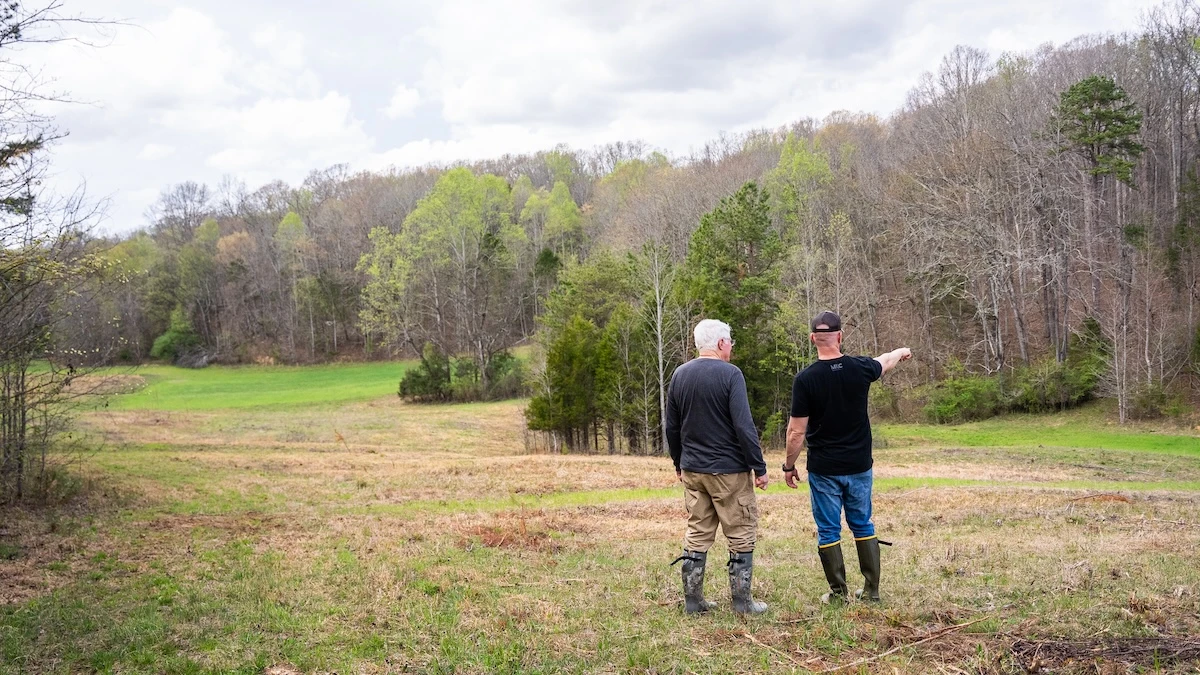
There are many environmental issues to be aware of and to conduct tests for. Because of this, it’s important for buyers and sellers alike to conduct relevant tests before selling or buying real estate.
“I think it's important for both parties, especially for a buyer, before proceeding with a purchase,” Malott said. “From a buyer standpoint, get the proper tests so you know what you're buying and know what you’re getting into. By far, that’s one of the most important things in buying real estate.”
General Property Inspections and Tests
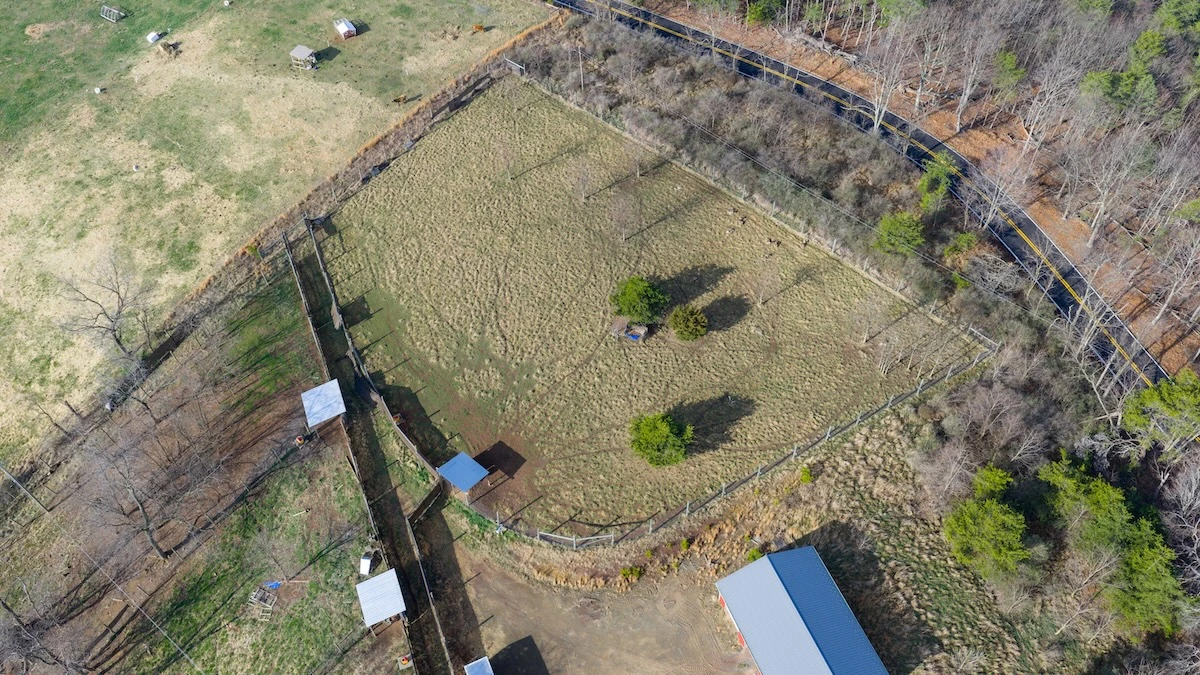
Always complete general property inspections and tests. With country homes and residential real estate, there are specific tests to conduct. Completing these, and others, satisfy the need for due diligence. Examples include mold, radon, termites, water quality, etc.
“Prior to purchasing a dwelling on a piece of property, conduct general inspections through a local home inspector. It’s well worth the money. These inspectors usually cover a broad variety of things that they look at, including the home itself, septic, wells, and the condition of each component of the property.”
It’s vital that aspiring buyers study these inspection reports, and fully educate themselves, prior to moving forward with the purchase.
Perc Tests for Septic Installations
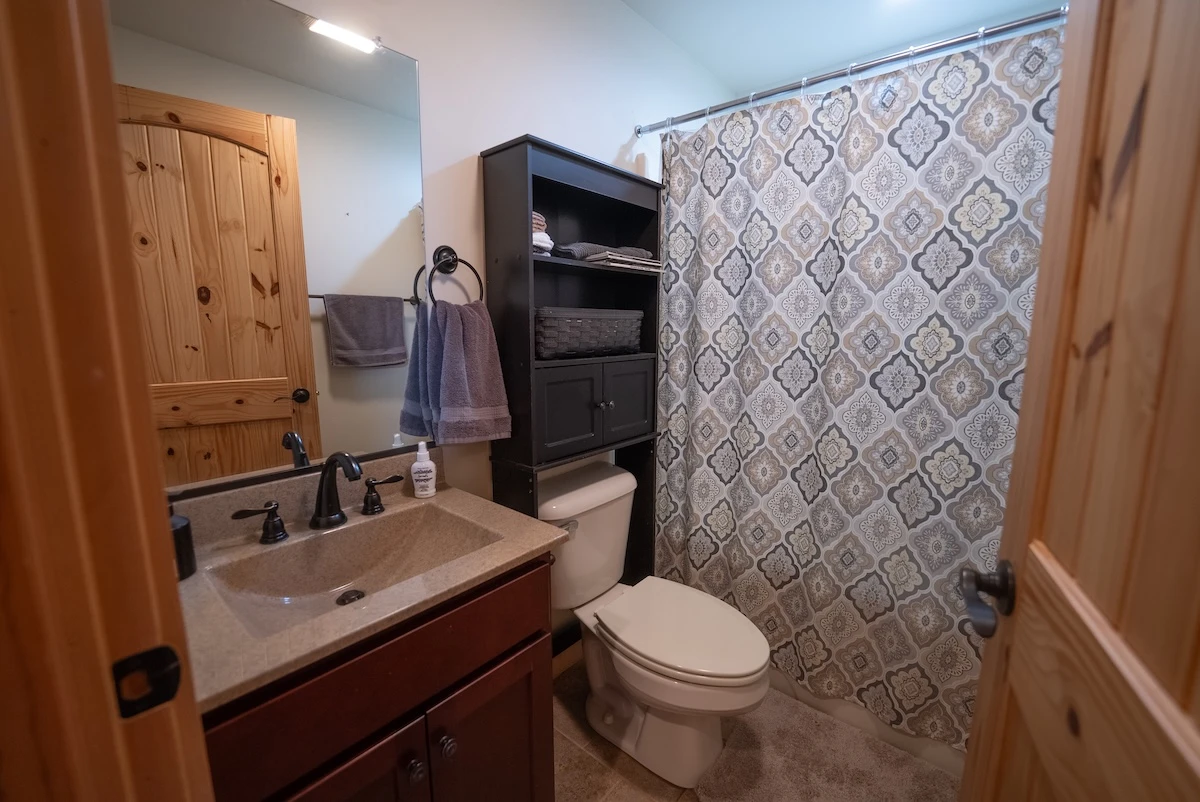
Standard perc tests are used to assess the viability of septic installations for residential and other structures. These determine if the soil type and localized environment is compatible with a septic system, which is required if building certain structures.
“If it is a piece of vacant land, whether open or wooded, if you're looking to purchase that property to build a home on it, obviously a perc (septic) test will tell you if it's suitable to do so,” Malott said.
Of course, if a property fails the perc test, it typically prevents initial plans of building on that land. This can lead to costly water diversion projects and other necessary remedies to correct the issues of a perc tests, if possible at all.
Soil Tests for Agricultural Production
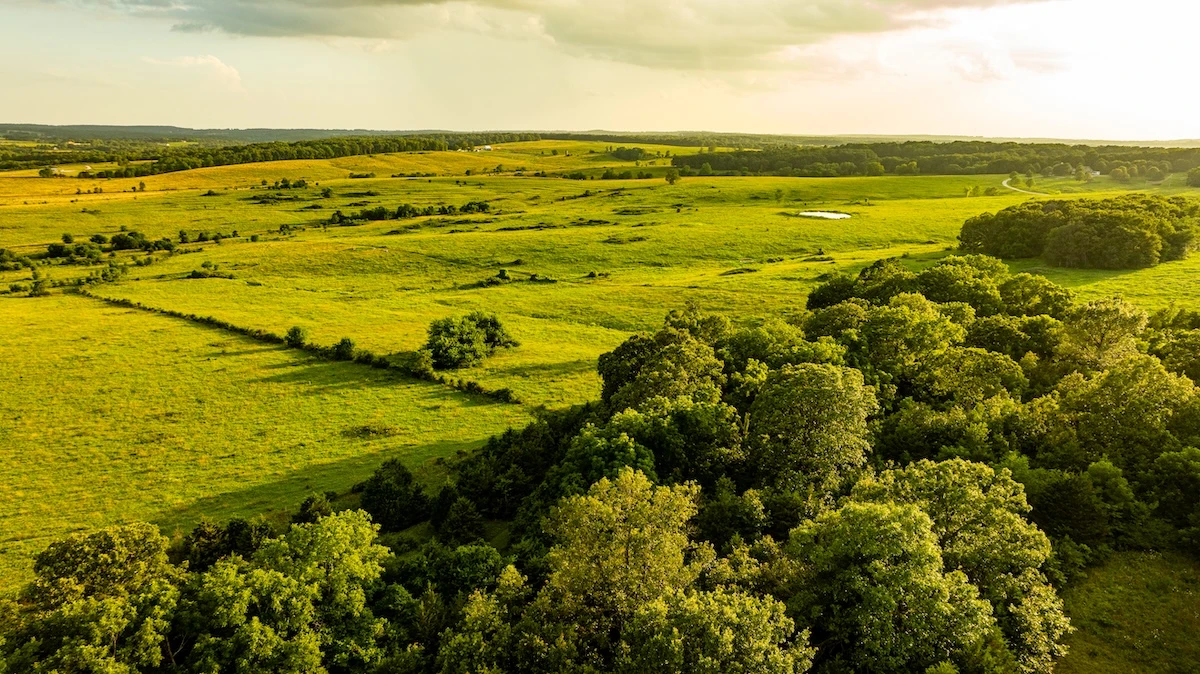
Agricultural land comes with its own set of tests to complete. These include various soil tests, which indicate the quality of the dirt and its ability to produce crops and livestock.
There are vast differences in soil types and soil qualities. Aspiring buyers must assess the quality associated with lands they plan to purchase. Failing to do so can result in drastically lower crop yields, or the number of livestock per acre that properties can sustain.
“With tillable land, if you can, get hands on soil tests from either the farmer or the seller themselves,” Malott said. “From a nutrient level standpoint, know what you’re getting yourself into. Therefore, you can see what that farm needs after you purchase it. You're ready to move forward and put fertilizer on the property, if need be.”
Soil Contamination and Environmental Hazard Tests
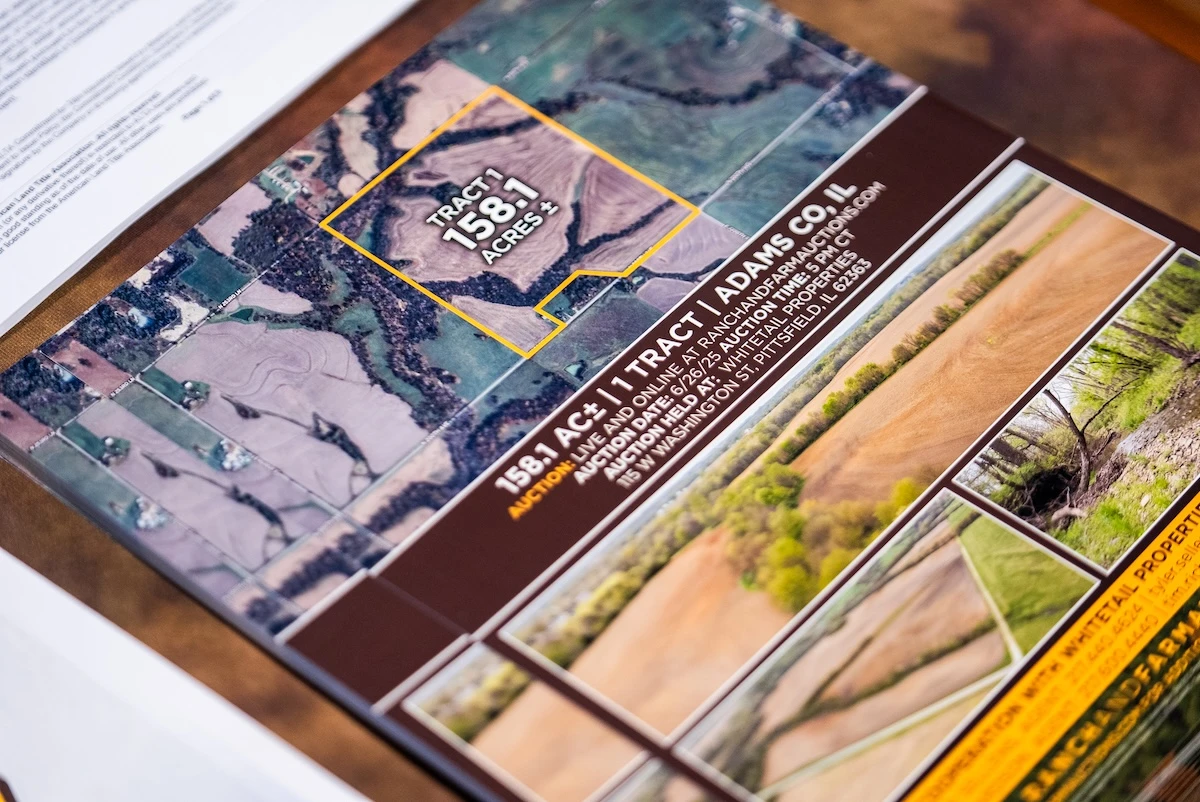
Key environmental tests look for red flags, such as buried debris, chemical spills, and more. If problems are discovered, it can trigger a phase 2 ESA, which requires sampling of physical soil and groundwater.
According to Malott, those looking to invest in commercial property should conduct routine tests for soil contamination, environmental hazards, and other things like that. Oftentimes, presence of these are hurdles that deter buyers, which can hinder the ability to resell and turn a profit.
Obviously, some problems can be addressed and removed from the landscape. However, the removal of hazardous materials and making large-scale changes with earth-moving equipment are incredibly costly and time-consuming tasks with no guarantee of a profit on the other side. It’s a notable risk to purchase such land with these known issues.
“If you're looking to purchase a piece of commercial land, some of these purchases require different structuring in loans. If you get into differently structured loans, you will be required to do certain tests that inspect for environmental and hazardous elements. These check the soil to see if there is any contamination.”
Do not take environmental problems lightly. In addition to the above statement, it’s prudent to check for other environmental issues as well. For example, it’s common to see waste materials in sinkholes and around drainages, which is a significant EPA violation. Buying land with such a problem can lead to cleanup mandates and costly ecological repairs.
“Old dump sites on farm properties are common on wooded acreages,” Malott said. “Farms will have old burn or dump sites that could cause some issues. Typically, these need to be removed. Of course, these should be tested to see if there are any hazardous materials in the area.”
From the seller’s perspective, all sinkholes should be cleaned out and repaired prior to listing or auctioning their land. From the buyer’s point of view, it’s crucial to ask about sinkholes, drainages, and potential dump sites. Inspect these locations for potential problems that might arise down the road or prevent important plans. Waiting until after the fact will eventually place the burden on you.
“You're inspecting the property prior to moving forward with the purchase,” Malott said. “Check these old dump sites, especially around wooded acreage or near waterways, such as creeks, rivers, or drainage ditches.
Without question, Malott encourages all who plan to sell real estate to clean up these problems well before listing it. This removes a potential deterrence and increases property value.
“Prior to selling, you're way better off to get that stuff cleaned up before listing the property,” Malott said. “This way, you don't run into issues down the road.”
Wetland and Flood Zone Inquiries
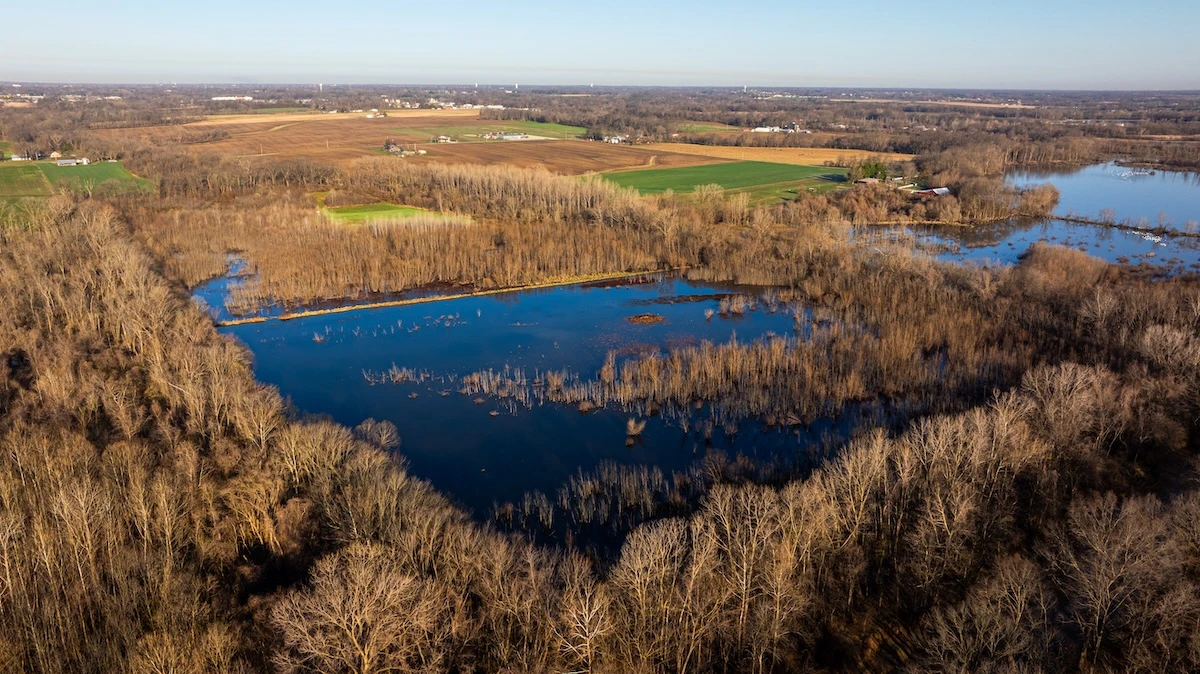
Properties located within wetland areas typically come with a long list of restrictions. Generally, these areas prohibit certain uses, such as building structures or other specific things. This usually greatly restricts the re-sell value of the land, along with hindering how it can be used. Therefore, always assess whether or not a property is within a wetland or flood zone before purchasing it.
Mineral Rights, Conservation Easements, Planning and Zoning, and Other Title Checks
Finally, anyone looking to buy land should never assume that all mineral rights transfer with the deed. It’s possible that mineral rights were severed long ago, or even more recently. The mineral rights might still be intact but are destined to split just before the property is sold. Analyze title search results to determine the status of mineral rights.
Conservation easements might also be in play, and these too should be considered. Oftentimes, temporary conservation easements can provide annual income. In contrast, permanent easements tend to reduce the per-acre value, especially if the easement is greatly restrictive and the property no longer generates annual income.
Moving along, some sellers plan to subdivide their property. At times, buyers look for property that serve just such investment purposes. Generally, those looking to do more than buy property for agricultural, residential, or recreational purposes have additional boxes to check. Investing in commercial real estate, or those planning to subdivide into lots, must complete additional due diligence.
“If looking to purchase a property and subdivide it, you must talk with the county area planning and zoning,” Malott said. “This helps grasp what's possible before moving forward with the purchase. Obviously, one of the most important steps in that is checking to ensure water, septic, and utilities are available.”
After studying planning and zoning results, finish the process by completing any other recommended title checks and appropriate tests.

Know What You’re Buying
Regardless of the land you hope to buy, or your intentions for it, always conduct your due diligence. Be aware of environmental testing and issues to know about when buying land. Hire the right professionals to check things outside of your expertise. Check all the right boxes, and increase the odds of a successful real estate deal.
For landowners looking to sell at auction, contact Ranch & Farm Auctions. We can answer questions and help with your auctioneering needs. For buyers hoping to purchase land, check out some of the upcoming Ranch & Farm Auctions near you.