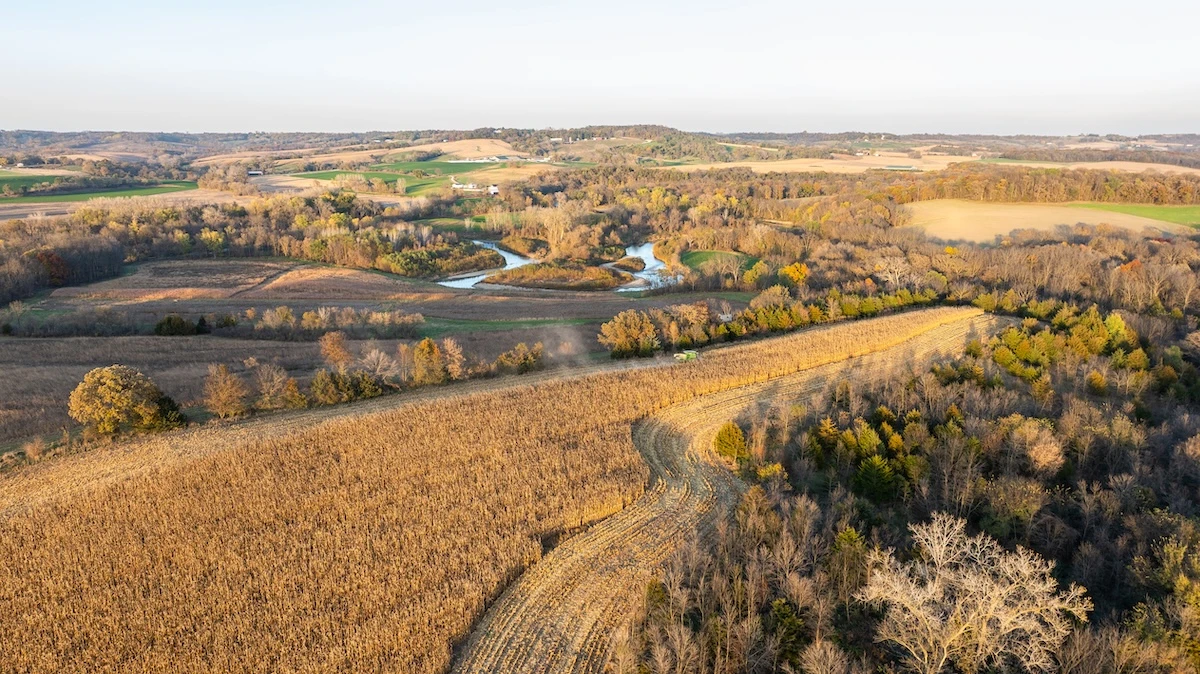
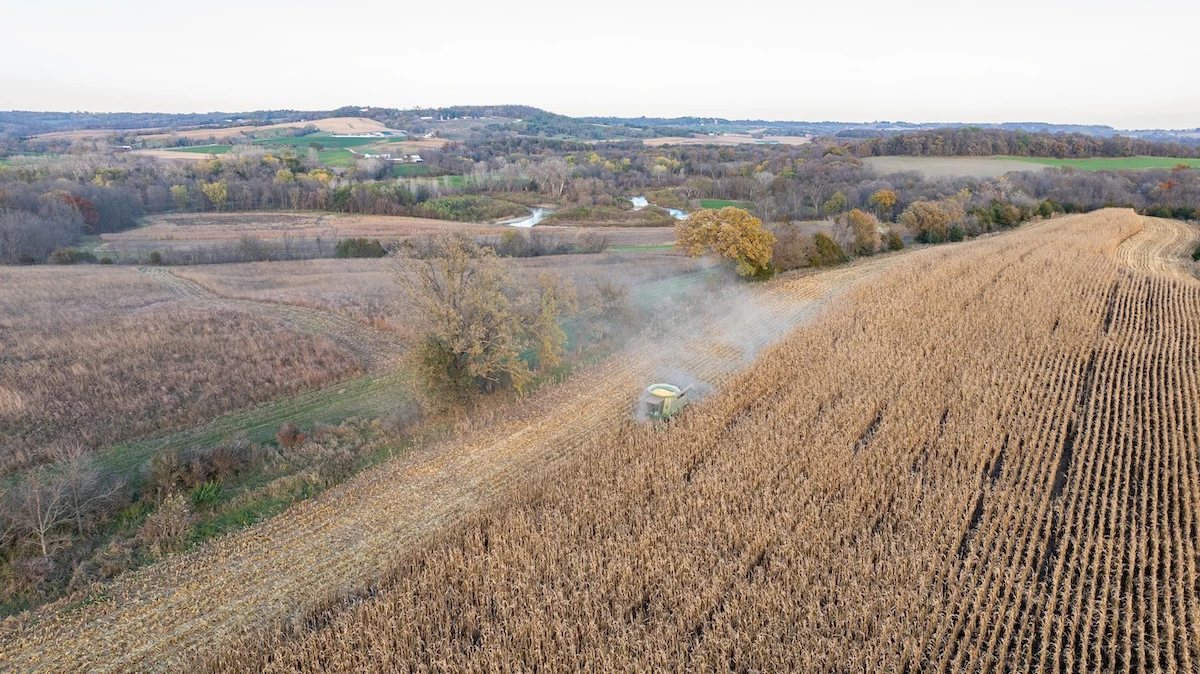
Those looking to buy or sell farmland at auction should know how standing crops can affect the sale. After all, buying farmland with crops, crop ownership after land sales, harvest rights, and more, all come into question when standing crops overlap with real estate closing dates and changes in possession of farmland.
"A standing crop could affect [the evaluation] multiple different ways,” said Whitetail Properties Land Specialist Bob Stalberger. “It can affect it in a positive way, especially if it looks extremely strong, healthy, and looks like it has a good yield, that obviously proves good fertilization as well as drainage. It can also affect it in a negative way; if the crop doesn't look good, it can show poor drainage or poor yield. It's a case-by-case basis."
All said, some might wonder, how exactly can standing crops impact the auctioning of a property? Read on to learn more.
Editor’s Note: This is not financial, investment, legal, or real estate advice. Consult with a financial planner, investment specialist, real estate lawyer, and real estate professional before buying or selling land at auction.
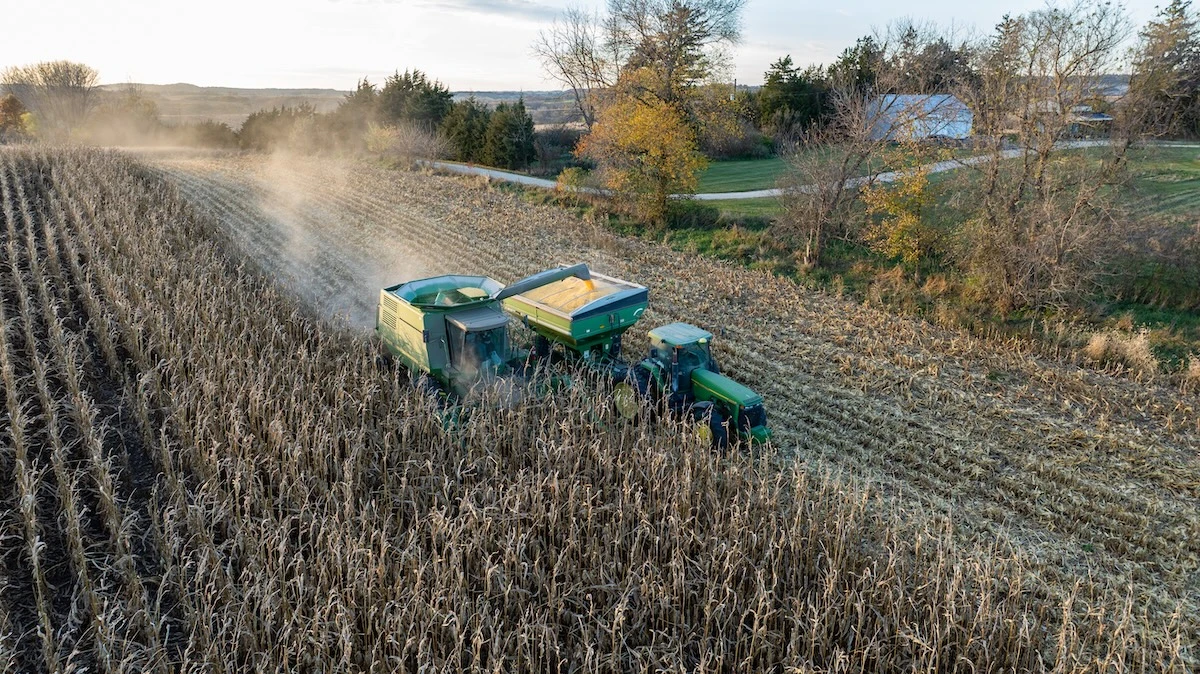
How Does Real Estate Law View Growing Crops?
Real estate law is very detailed and nuanced. This topic is a series of books, not a few paragraphs. (Contact a real estate lawyer for official legal advice.)
That said, according to most sources, real estate law views and treats growing crops as personal property. In contrast, unlike trees that remain with the property (unless otherwise severed), growing crops are not viewed and treated as real estate itself. Generally, this is classified and addressed under the doctrine of emblements.
Ultimately, unless auction terms and conditions determine otherwise, the individual who grows and nurtures the crop (e.g.: the owner, tenant farmer, or farmer leasing the ground), maintains ownership of the crop itself until that crop growing and harvest cycle is completed.
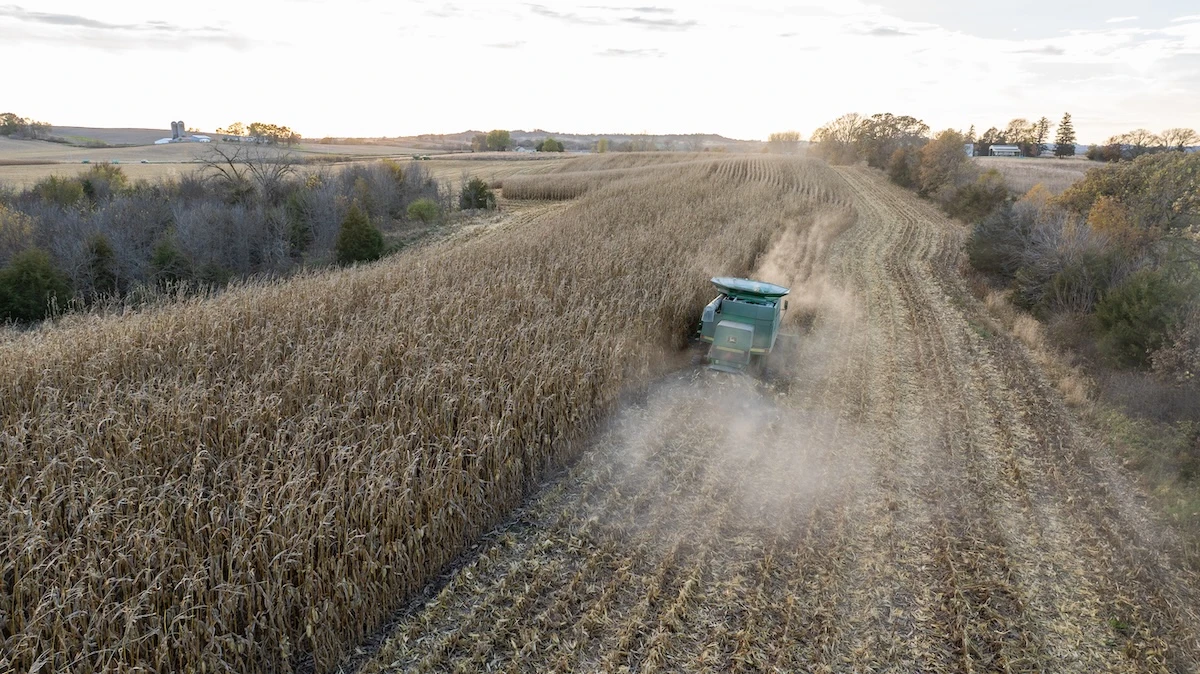
How Standing Crops Can Positively Impact Farmland at Auction
Standing crops can positively impact farmland at auction in several ways. Some of these include:
● A very good crop that displays excellent soil quality and great crop yield.
● Attending farmers bidding against each other to compete for ground proven to grow a quality crop.
● Minimal crop depredation displays low to moderate wildlife populations.
● Attending bidders who are hoping to continue leasing to a tenant farmer after taking possession of the property.
How Standing Crops Can Negatively Impact Farmland at Auction
Standing crops can negatively impact farmland at auction in numerous ways. Some of these include:
● A poor crop displays undesirable soil quality and poor crop yield.
● Attending bidders are not as competitive due to perceived lower soil qualities.
● Heavy crop depredation displays moderate to high wildlife populations.
● Attending bidders are hoping to farm or otherwise use the property themselves, but can’t due to standing crops or long-term lease agreements.

Inquire About Existing Cropland Rental Contract Details
Those planning to bid on farmland with standing crops should inquire about the existing cropland rental contract details. This allows them to be fully aware of what might or might not be in play after they close on the property.
“For sellers, it is typically best to ensure a farm is not under contract for the coming years after ownership is released,” Stalberger said. “This approach generates the highest level of interest, particularly from active farming buyers who want the ability to farm the property in the upcoming season.”
Look Over the Auction Terms and Conditions on Crop Ownership and Crop Harvest Rights
Before bidding on land at auction, look over the auction terms and conditions on crop ownership and crop harvest rights. Generally, the seller, or the current tenant farmer, retains the rights to existing crops. In this scenario, the new owner takes full control of the property only after the current crop is removed from the landscape.
Although rare, sometimes, the buyer acquires all crops upon completion of the real estate sale. In this scenario, if you win the auction bidding process, you also win ownership of the crops themselves. It’s then up to you to complete or oversee the crop harvest process. Furthermore, you receive the crop revenue or lack thereof if a crop failure ensues.
As previously noted, every buyer’s needs are different. Some prefer a tenant farmer to continue leasing. Others don’t want that at all.
For example, let’s say it's largely a recreational property and that's the primary use, but it does have some tillable on it. Can it be a benefit for it to have remaining years left?
"It largely depends on the terms and conditions of that specific lease,” Stalberger said. “Is the payment in line with the county average, above it, or below it? Everything is handled on a case-by-case basis, but yes, it could absolutely be a bonus if it is at or above what is typically found in the area. However, if it's well below that benchmark, then it isn't."
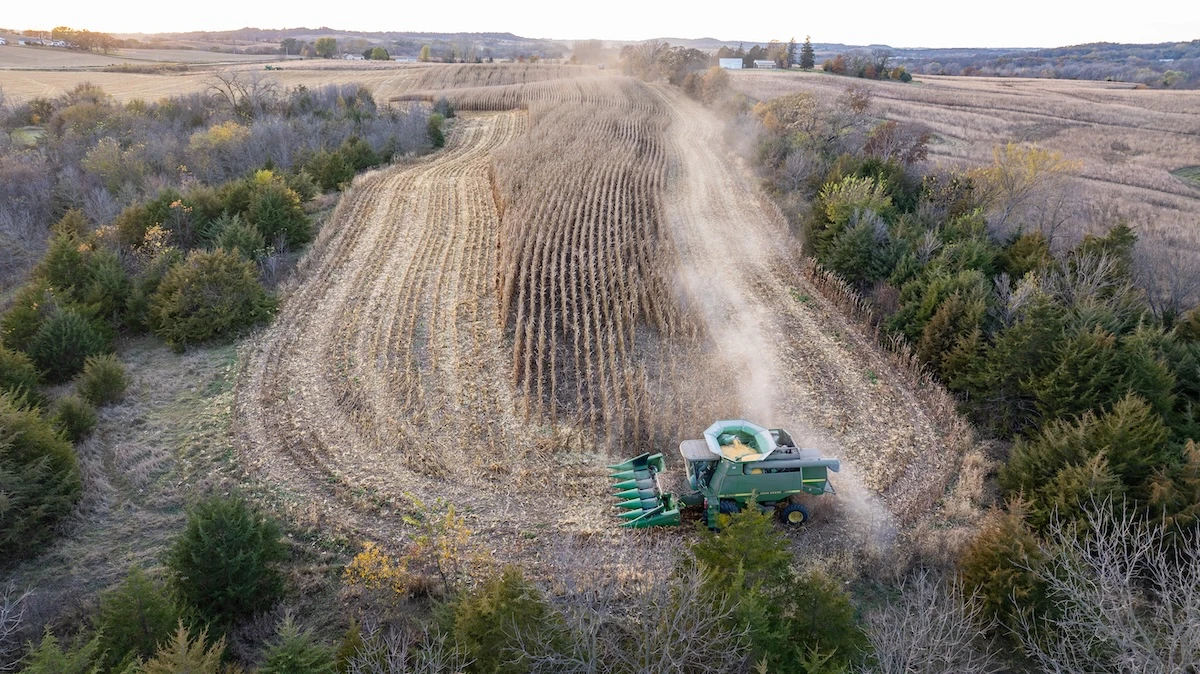
Understand How Existing Tenant Leases and Lease Termination Dates Impact Land Auctions
How do standing crops impact lease payments, and other stuff like that, if it's currently leased out to another farmer? Once again, refer to the auction terms and conditions. Then, after reading the terms and conditions, it’s crucial to fully understand how existing tenant leases and lease termination dates impact land auctions. Ask a Ranch & Farm Auctions official for clarification, speak with a Land Specialist, or consult a real estate attorney.
For those looking to terminate relationships with tenant farmers, determine state-mandated legal deadlines. For example, in some states, landowners must notify tenants by September 1 that the lease will be terminated the following year. If that deadline is not met, the landowner might be legally required to keep the tenant farmer for one more year.
"Typically, it's all spelled out in the terms and conditions of the auction,” Stalberger said. “It depends on what time of the year [it is]. If you're auctioning in the spring or in the fall. Presumably, the lease is always disclosed, [including] if the lease [ends] at the end of harvest or if there are additional years left."
Understanding the Difference Between Crop Share and Cash Rent and How These Impact Land Auctions
The specific agreement types between landowners and tenant farmers varies from one to the next. It requires potential buyers completely understanding the differences between crop share and cash rent and how these individually impact land auctions.
The type of relationship between farmer and landowner can impact how auctions play out as well. If an agricultural lease is active on the property, it’s crucial to understand the structure of the cropland rental agreement.
For example, in a cash rent leasing situation, it’ll likely lead to the new buyer receiving a pro-rated portion of the cropland rent payment from the farmland lessee.
In contrast, with a crop-share agreement, the new owner owns a percentage of the crops (and therefore the crop profits or losses), upon closing on the property. Additionally, the latter route also likely requires partial ownership of input costs. These likely include fertilizer, spray, fuel, grain storage, grain drying, grain hauling, and more.
Potential Tax Implications of Buying Farmland with Standing Crops
Those buying farmland with standing crops should anticipate potential tax implications of buying farmland with standing crops.
First, understand that purchase price allocation must be addressed correctly. For instance, it’s crucial to allocate a proper percentage of the purchase price to crop value. This impacts tax burdens, and by deducting the crop value from grain sale revenue, will lower the income tax.
It can also impact stepped-up basis when selling the property down the line. Keep track of all records and conduct necessary appraisals to get all ducks in a row for eventual tax filing.
Of course, property taxes are always in play. This too is involved with property tax proration. Meaning, the auction terms and conditions can impact how the current year’s taxes are split between the seller and buyer. This assists in fairly addressing who actually receives the profit from the current year’s crop cycle.
Verify Closing Dates and Possession Transfers of the Real Estate and Standing Crops
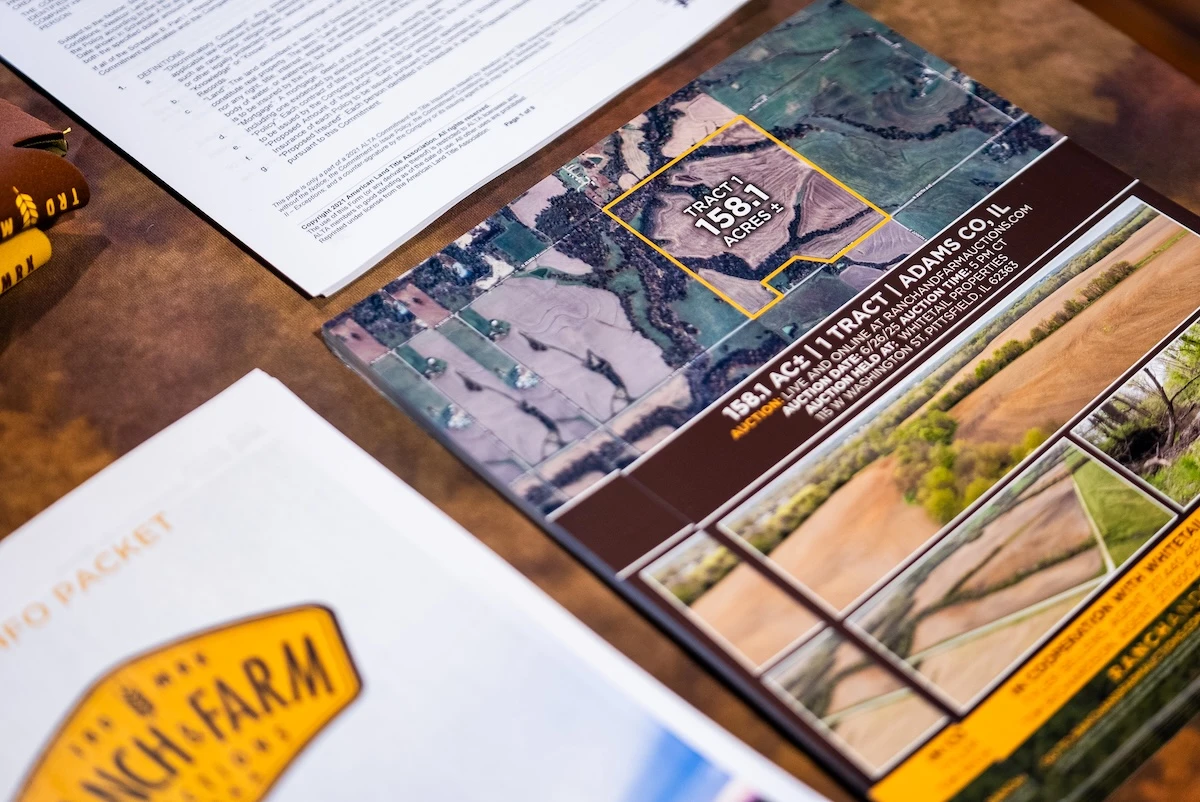
Just because an auction is won does not guarantee full and immediate access and possession of the property and crops upon it. There might be delayed possessions. The possession date might be delayed until after the current grain crop is harvested and removed from the landscape. Verify closing dates and possession transfers of both the real estate and standing crops.
Verify the Removal Timelines of Personal Property
In addition to the verification of closing dates and possession transfers of real estate and crops, it’s also important to verify the removal timelines of personal property. Examples include grain bins, equipment staging areas, harvest equipment, and much more.
Potential Risks to Be Aware of When Buying Farmland with Standing Crops
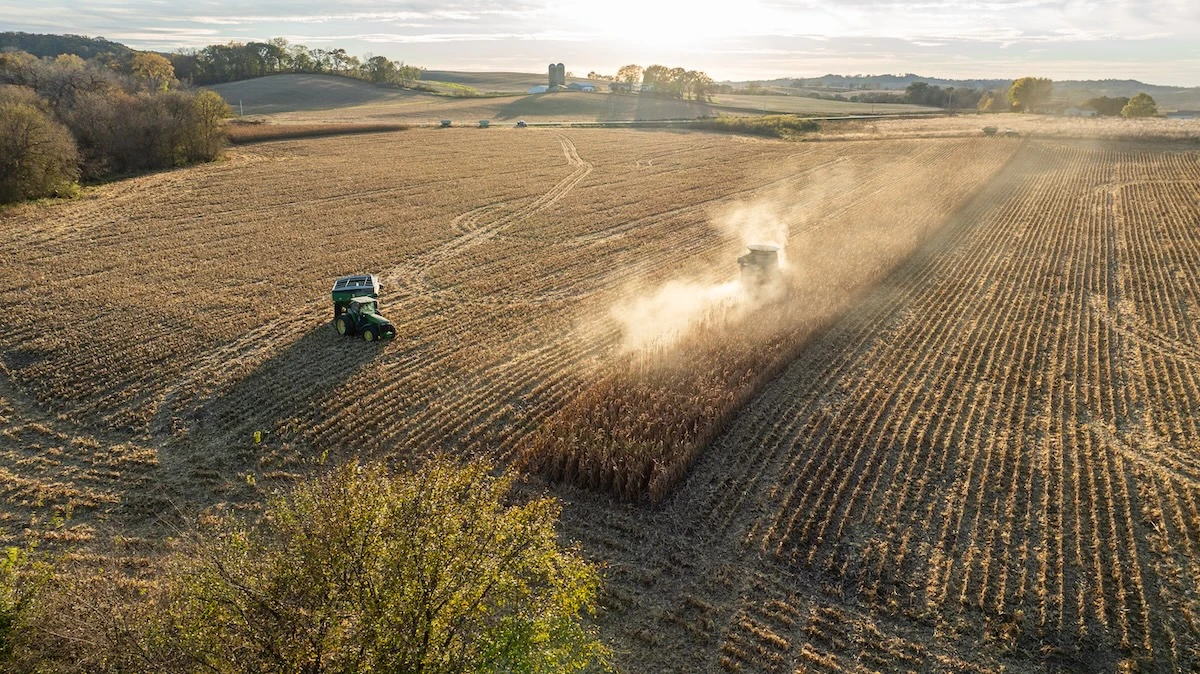
Potential real estate buyers should be aware of certain risks when buying farmland with standing crops. Understand that land degradation can be an issue, especially if the tenant farmer doesn’t take precautions to care for the soil, it can lead to a host of issues. Just a few of these to watch for: chemical spills, soil compaction, field rutting, and more.
Study All Applicable Local, State, and Federal Laws Associated with Cropland Rentals
No matter where you hail from, study all applicable local, state, and federal laws associated with cropland rentals, cropland ownership transfers, and other associated elements. Consult a real estate attorney for official advice and direction. It’s always best to be fully prepared. Start that process today.
For landowners looking to sell at auction, contact Ranch & Farm Auctions. We can answer questions and help with your auctioneering needs. For buyers hoping to purchase land, check out some of the upcoming Ranch & Farm Auctions near you.