
Most real estate auctions are sold “as-is.” So, are you wondering, what does as-is mean in a land sale? Maybe you’re thinking, what is the meaning of an as-is auction property? Read on to learn as-is land buying factors, risks, and more.
Editor’s Note: This is not financial, investment, legal, or real estate advice. Consult with a financial planner, investment specialist, real estate lawyer, and real estate professional before buying or selling land at auction.
What Does As-Is Mean in Land Auctions?
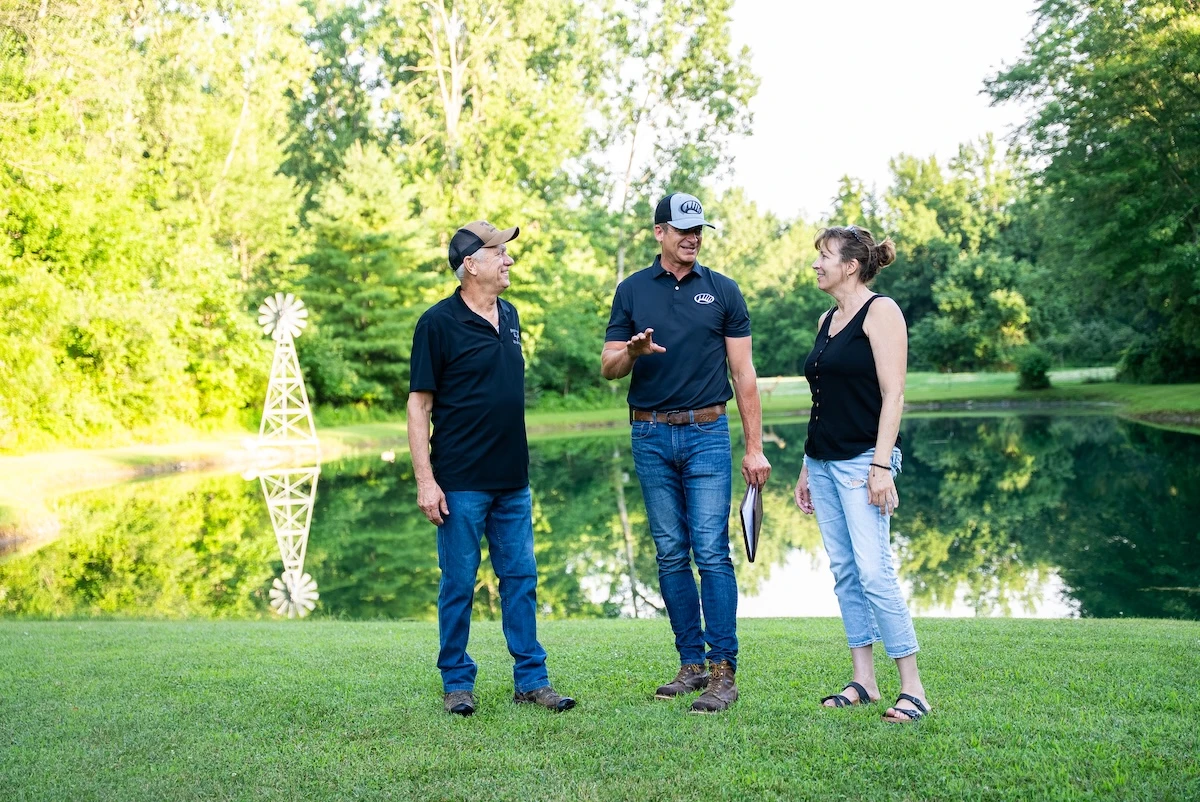
The term “as-is” as applied to land auctions means numerous things. First and foremost, it signals that the property will be sold exactly as it is in the current state. Its current condition, even if it has visible or hidden issues, is what the buyer gets.
Additionally, the seller makes no guarantees about the property for sale. Aside from known disclosures, this includes no promises in regard to the quality, usability, or zoning of the tract(s) in question. The buyer gets the property “as-is.”
Another component of this stipulation is that the seller will not pay for anything after the sale. This includes but is not limited to general cleanup, property repairs, soil tests, and more. Once the sale is complete, the seller is no longer obligated to amend the property, alter the price, or make any other changes.
Ranch & Farm Auctions Auctioneer Cody Lowderman says that, from the seller standpoint, you have a definite sale, so to speak. You know the sale date — obviously, you know when that's going to happen. Then, most generally, the closing date is 30 days from that.
“At the end of the day, putting both sides together incorporates more interest,” Lowderman said. “From a buyer’s perspective, you know it's going to sell. And from the seller’s perspective, you do as well. But you're on a timeframe and know — as far as the acceptance of the high bid and the closing date — funds will be collected.”

What “As-Is” Means for Land Sellers
Given that most absolute auctions are often sold “as-is,” it’s typically more beneficial than attendees realize (for both sides). Sellers promise no warranties. They are not obliged to make any repairs. Buyers are responsible for the inspections, title searches, repairs, and more. But buyers know exactly what they’re getting. There is no negotiating left. Everything is definitive.
Just because sellers auction their land “as-is” does not mean they can knowingly hide anything from interested buyers, though. Rather, they must still disclose property defects, title concerns, and other problems associated with the property. Other examples include hazardous waste, improper storage tanks, flood zone status, etc. Of course, Ranch & Farm Auctions facilitates this process and makes auction attendees aware of such things.
While the seller should still be aware of title issues, the “as-is” designation oftentimes shifts the burden more onto the buyer to conduct needed property inspections, title searches (liens and ownership), surveying needs (e.g.: easements and property lines, zoning checks (property usage laws), perc tests (septic installation), and more.

What “As-Is” Means for Land Buyers
For buyers, the most significant component is that there are no post-sale contingencies, which is common among traditional real estate listings. Oftentimes, with the latter, buyers can agree to purchase under certain contingencies, which might include the seller making repairs. With an as-is real estate auction, that isn’t possible.
Furthermore, buyers often agree to purchase under the contingency that they sell their home or land. Once again, this is not an option when buying land at auction. Simply, no contingency of any kind is possible. Buyers receive no warranties.
As-Is Land Buying Risks vs. Rewards
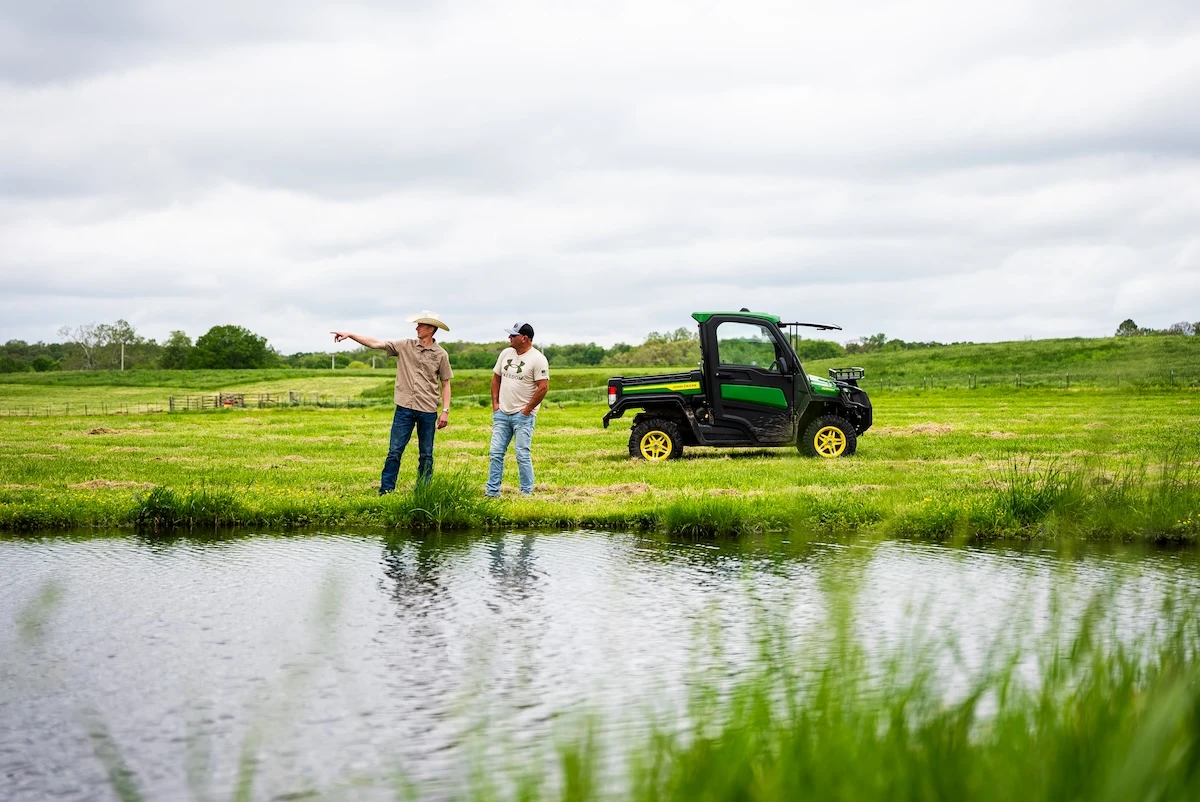
Without question, buying land with the “as-is” designation comes with potential risks and rewards. Things can work out better for the seller, the buyer, but oftentimes, it works out great for both.
Of course, with a reputable auction house, such as Ranch & Farm Auctions, everything remains on the up-and-up. Known issues or hindrances are disclosed. Plus, Ranch & Farm Auctions encourages sellers to remedy known problems before the sale date. Even so, pros and cons remain.
Pros of an As-Is Property Sale:
● From a property risk perspective, it’s more convenient for the seller.
● However, once the auction is complete, the buyer knows the property is theirs. This is a cut-and-dry process for everyone involved (sellers and buyers alike). Once the deal is complete, that’s it. There is no gray area whether the sale goes through, or not, which can occur with traditional listings.
● Despite being sold “as-is,” sellers must still disclose known issues with the property. Any property defects (e.g.: hazardous waste) or disputes (e.g.: property line disagreements) must be made known to prospective buyers. Meaning, you’re still made aware of potential challenges associated with the real estate going to auction.
Cons of an As-Is Land Auction:
● From a property risk perspective, it’s more risk for the buyer.
● The buyer takes on all responsibility associated with the land. Examples include repairs, title issues, property line disputes, zoning compliance, etc.
● When the final bid is in, and the hammer falls (literal or metaphorical), the sale is complete. If any issues arise after the sale, it’s up to the buyer (new owner) to fix the problem(s).
● Difficult-to-discover property challenges might present themselves in the future and the seller isn’t likely to be liable if they didn’t know about the issue before the sale occurred. This includes environmental contamination, poor soil quality, and much more.
● There are no more negotiations. There is no backing out of the sale. The auction is complete and the property is sold.
To mitigate some of the risks with buying land as-is, it’s vital to conduct appropriate inspections before the auction begins. Hire the relevant inspectors — such as surveyors, title companies, environmental experts, soil engineers, and more — to check key factors and look for common and uncommon pitfalls. Also, speak with zoning and other authorities to conduct important checks. Completing this due diligence is cheap insurance for those looking to invest in land.

Reading the Land Auction Terms and Conditions
To better understand what as-is means for each sale, read the auction terms and conditions. Carefully study and understand all legalities concerning the auction process. Oftentimes, these vary slightly based on the specific property being sold. Properties are commonly sold “as-is” with no warranties or other special considerations.
Generally, auction terms and conditions help execute land sales on an as-is basis. This translates to zero contingencies. Rather, the sale will certainly be completed. Oftentimes, if full payment isn’t delivered, the buyer typically forfeits their earnest deposit. So, to prevent loss of the earnest deposit and the property itself, it’s crucial to stay on schedule with post-auction responsibilities. Follow the closing process to the letter to ensure complete compliance and fulfillment.
Overall, for buyers, when the sale is “as-is,” more due diligence is required by the bidder before the auction begins. Generally, there is no room for contingencies, either. Bidding with an expectation of placing or signing a contingency agreement is not permitted. The sale is final regardless of (most) outside factors.
Your Bid Is a Legal Contract
It’s important for bidders attending real estate auctions to remember that their bid is a binding legal contract. By nodding at the auctioneer, raising a hand, showing a bidder number, or making any other deliberate attempt to bid, you’re legally agreeing to pay that amount should you have the winning bid.
Keep this in mind when attending land auctions. Know your budget. Remember your limits. Don’t allow emotions to get the best of you. Stay focused, fully understand “as-is” and other auction terms, and you’ll make the right decisions at the next real estate sale.
For landowners looking to sell at auction, contact Ranch & Farm Auctions. We can answer questions and help with your auctioneering needs. For buyers hoping to purchase land, check out some of the upcoming Ranch & Farm Auctions near you.