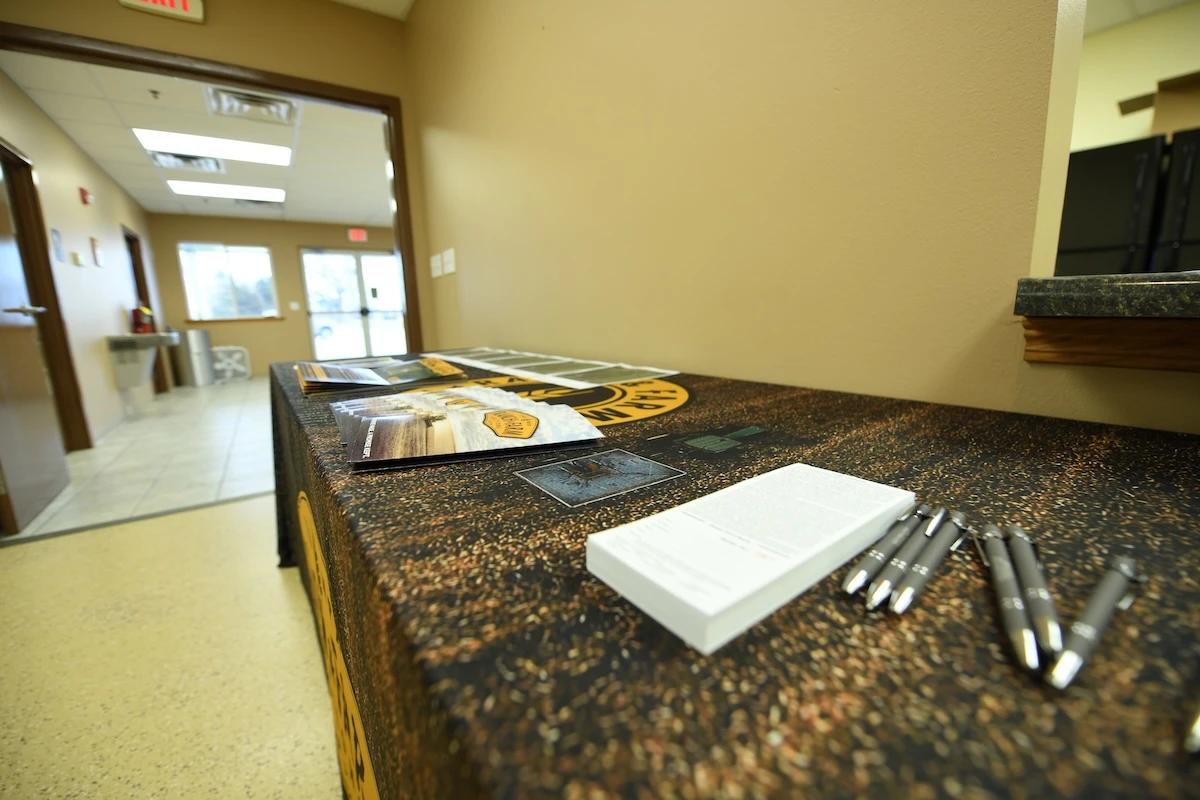
The real estate auction scene is full of questions. How to register for land auctions? What are auction bidder requirements? Are there ID requirements for auction bidding? These and similar inquiries are asked at auctions and typed into search bars on the regular. So, here are the auction registration requirements for land buyers, and how to prepare for a real estate sale.
Editor’s Note: This is not financial, investment, legal, or real estate advice. Consult with a financial planner, investment specialist, real estate lawyer, and real estate professional before buying or selling land at auction.
Various Methods for Bidding At Land Auctions
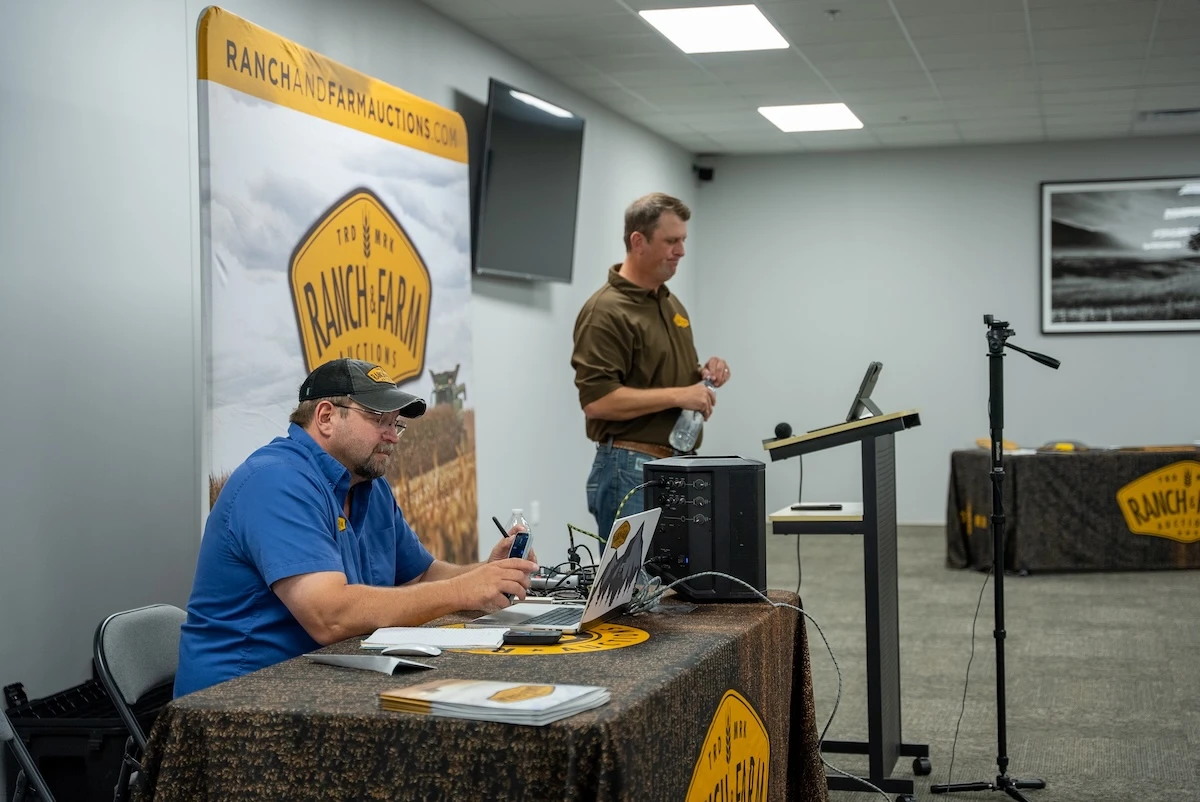
Aspiring land buyers should know of the various methods for bidding at land auctions. With Ranch & Farm, there are multiple methods for bidding. Some of these options include bidding live in person, live online, live via phone, etc. It’s important for each prospective bidder to determine the proper method for them.
“Having options in your bidding process allows you to connect with multiple buyers from across the country,” said Camron Stover, a Whitetail Properties Land Specialist in Ohio and West Virginia. “When we have a local auction, and it's local only, it’s sometimes hard for people to take off work and have the flexibility in their day-to-day lives that allows them the opportunity to expand or to simply take off work.
“Whereas, if we open it up to online bidding, over-the-phone bidding, or other means of bidding, it allows everybody to connect in the way they feel the most comfortable with,” Stover continued. “Some people, like me, want to be present and in person. I want to connect with the land and the purchase that I'm making, rather than connecting with it online. Others are different, though.”
Of course, while most Ranch & Farm Auctions sales follow the hybrid model (simultaneously in-person, online, over the phone, etc.), others might use various formats. Examples include in-person only, online-only (simulcast or timed), sealed-bid, or a variation of these.
Various Types of Auctions to Be Aware Of
Real estate auctions might be handled in a variety of ways. These can be absolute auctions or reserve auctions. Absolute auctions signal that the property will sell, regardless of the high bid amount(s). In contrast, reserve auctions allow the seller to set a reserve price, and can decide to let the property go, or withdraw it from the auction.
Various Types of Bidding Formats to Be Aware Of
A variety of bidding formats can be implemented by auction houses. Traditional progressions allow for bidders to subsequently bid on tract 1, 2, 3, etc. Choice bidding is when bidding on an acre of ground, and the highest bidder takes their tract (or tracts) of choice. The bidding starts over and the process repeats until all tracts are sold. Typically, Ranch & Farm Auctions implements the latter methodology, but location and specific scenarios apply.
Sometimes, properties are sold in whole tracts, or these are offered in multi-parcel layouts. Today, the latter is more common. Fortunately, even when broken into separate tracts, buyers have the option to bid and put tracts together. This format also makes land more affordable than if buying larger chunks of ground.
Auction Bidder Requirements
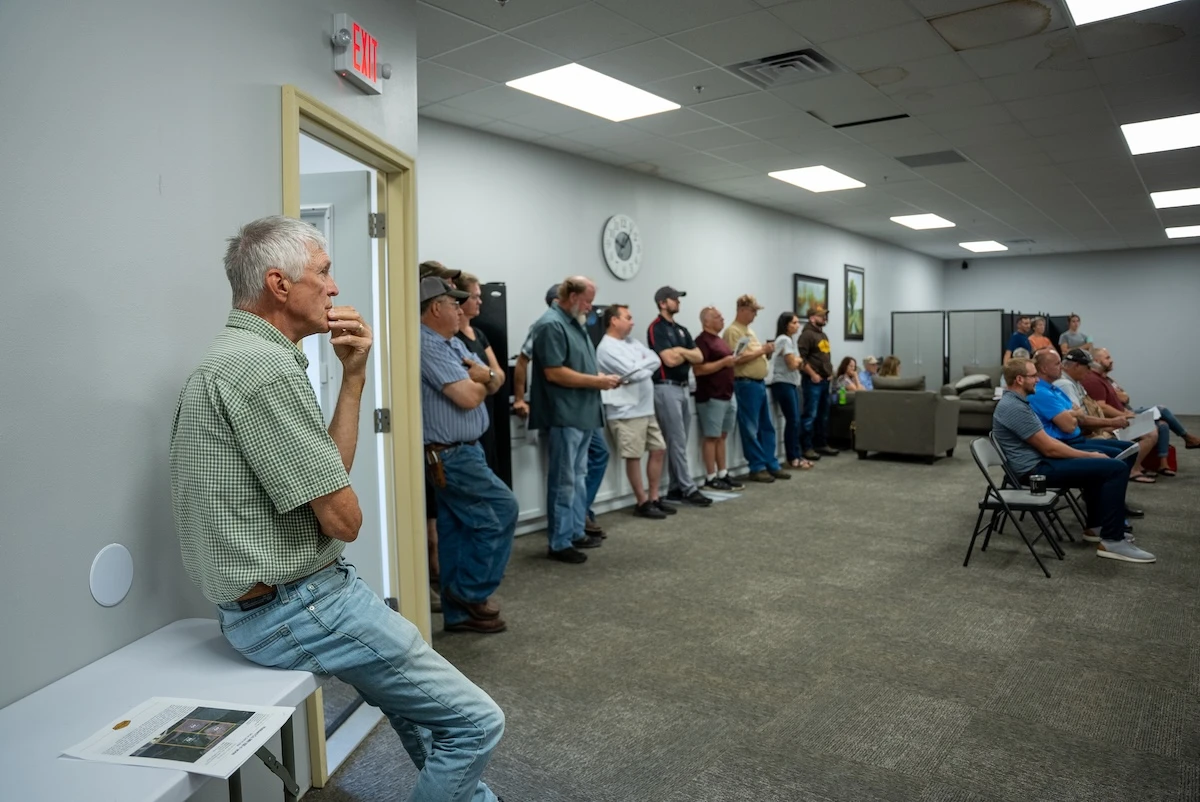
Long before the day of the sale, those planning to attend an auction should look into auction bidder requirements. From the buyer’s perspective, there are necessary steps and requirements to check off before the auction begins. First, in most states, bidders must be at least 18 years old.
“They need to have proof of funds or means to pay for the property,” Stover said. “The terms and conditions are laid out in the contracts. Everything is shared up front, such as the price, buyer’s premium, expected closing dates, and more. You might have to provide proof of funds to get to that point. You’ll need to have the necessary down payment on the day of the sale. It all depends on the stipulations of that specific auction.”
In addition to the completed bidder registration form and proof of funds, other requirements include a government-issued photo ID and the anticipated 10% earnest deposit, which is due the day of the sale and usually must be a cashier’s check or certified check.
Those attending the live auction should arrive at least 30 minutes early to ensure enough time to complete all necessary steps and receive a valid bidder number. Those looking to bid online should also arrive with that much or more buffer to ensure internet access is good and everything is working properly. Even if an agent is bidding for you, you’ll likely need to be the one who registers and notifies them of the bidding arrangement.
In summary, aspiring bidders must adhere to the terms and conditions of the auction. They also must in good faith plan to sign the auction purchase contract.

How to Register to Bid for a Land Auction
Some prospective buyers might wonder, how should somebody go about registering for a land sale with Ranch & Farm Auctions? Fortunately, registering to bid for a land auction isn’t very difficult.
“The first thing is communication with the agent of territory in that area,” Stover said. “Discuss that particular auction, the right process for that particular property, etc. This will enhance the value of that buyer’s time.”
The process of registering to bid with the auction house varies from one to the next. With Ranch & Farm, live (in person) bidders can register at the auction before it begins. However, online bidders should start the registration process approximately three to five business days beforehand.
Getting Assistance with the Auction Registration Process
Those needing assistance registering for online land auctions should contact Ranch & Farm Auctions. We make it easy to sign up, get approved, and be prepared for online and hybrid auctions. We have professionals ready and waiting to assist you in that process.
How to Prepare for a Land Auction
Registering to bid aside, there are numerous other important boxes to check. For those securing lending, complete the pre-approval process before the auction begins. This takes time (often days or weeks). So, plan accordingly.
Additionally, prepare your required 10% down payment, which will be due on the day of the auction. This is necessary for anyone seeking to bid on the property. Furthermore, maintain digital or physical proof of funds you can display to the auction house after securing the winning bid.
Other tasks to complete include studying access points, drainages, easements, lease agreements, soil maps, yields (current and historical), and more. To your best ability, determine activities occurring on neighboring properties to ensure their practices are compatible with your plans for the property to bid on. Compare and contrast this property to other comparable listings and auctions.
In addition to studying available data, study common auction strategies. Review recent comparable sales, study appraisals, and gauge the property’s value. Set your maximum bid, and don’t go over it. Once the bidding starts, observe bidder behavior to see how committed they are. When you’re bidding, don’t be hesitative, as this signals unsureness. Be confident and immediate with your bidding, and just maybe, it will keep others who aren’t committed from placing their next bid. If the bid surpasses your max bid, then quit.
Other things new auction attendees should consider and do:
- Study their budget and finances in detail.
- Attend practice auctions.
- Research the property and neighboring lands.
- Verify the survey status.
- Look into easements and road access points.
- Assess anticipated tax liabilities.
- Evaluate income potential associated with the land.
- Review the property disclosure.
- Study the preliminary title work (if available).
- Read through the auction terms, conditions, and bidding rules.
- Develop a bidding game plan.
Finally, prepare yourself mentally. Bidding at auction is a high-energy event. Know your game plan, be ready for the action, and don’t allow emotions to cloud your judgement.
Finding the Day-of-Sale Auction Venue
Auctions are routinely held in an array of settings. Of course, online-only sales are hosted on Ranch & Farm Auctions digital platform. However, live in-person and hybrid auctions tend to be conducted in one of two places. First, is an on-site, on-farm auction setting. Or, second, ballroom or community center auction venue.

Buying and Selling Land at Auction with Ranch & Farm Auctions
For landowners looking to sell at auction, contact Ranch & Farm Auctions. We can answer questions and help with your auctioneering needs. For buyers hoping to purchase land, check out some of the upcoming Ranch & Farm Auctions near you.