
“Hey, bidder, bidder, bidder, can I have a $1,000 bid? Now two. Now two. Yep! Now three. Now four. Yep! Will you give me $5,000? Yep! Dollar bid now $6,000. Bid ‘em up. Now dollar down and a half. And a half. And a half. Yep! It’s $6,500. Now, $7,000.”
That’s an example and loose translation of an auctioneer’s chant but without many of the filler words. And of course, the famous, “Going once! Going twice! Sold!” is the grand finale of the art that is auction chanting.
But what about the guys walking the floor pointing at everyone and yelling “yep,” “here,” and a host of other confirmation words? Those individuals are called auction ringmen, and the auction ringman’s crew. They serve as bid spotters and the bridge between bidders and professional auctioneers. Because, without spot bidders, auctions can get out of hand. Here’s what you should know about ringman auction action, with input from Ranch & Farm’s very own Cody Lowderman, one of the best auctioneers in the nation.
Editor’s Note: This is not financial, investment, legal, or real estate advice. Consult with a financial planner, investment specialist, real estate lawyer, and real estate professional before buying or selling land at auction.
What Is an auction ringman?
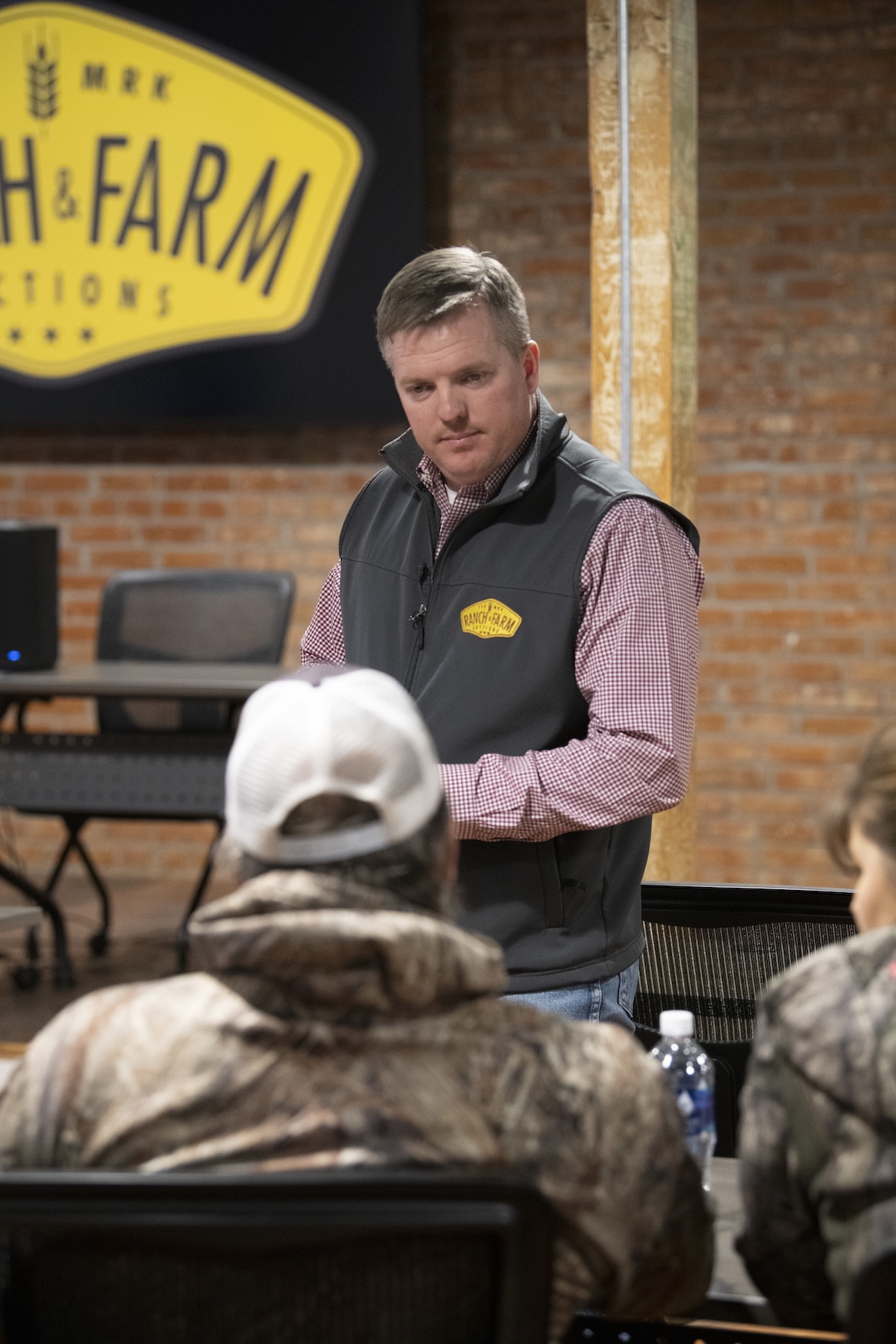
Those who aren’t familiar with auctions likely don’t know what a ringman is. For those who don’t quite know, the auction ringman primarily acts as the middleman between the auctioneer and bidders.
“The first thing that comes to my mind is a liaison between the auctioneer and the bidders, buying crowd, and the attending public,” Lowderman said. “They interact between them and the auctioneer and work that interaction both ways.”
Does the auction ringman work for the seller or buyer?
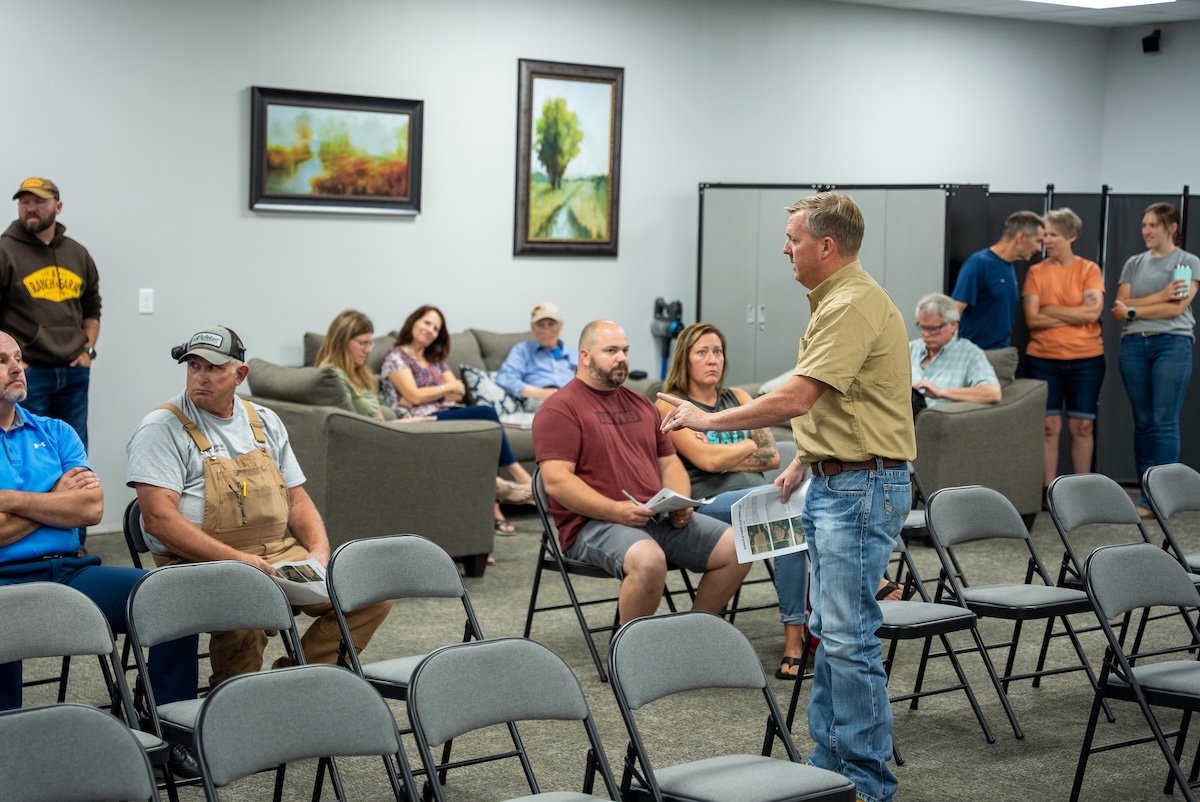
The auction ringman is there to primarily work for the seller. However, they also work with the bidders. Therefore, all parties involved receive helpful, professional assistance before, during, and after the auction.
“A good ringman is there to work for the sellers that we’re working for that day,” Lowderman said. “But they work with the buying crowd as well.”
They’re calling for bids, asking for numbers, explaining auction terms, and much more. They are more “hands-on” with people in the crowd.
“They also hear from the crowd, especially if there's a question or a comment,” Lowderman said. “More than likely, he's the one directing them, as they're out there face-to-face and interacting with those people.”
Should aspiring bidders meet with or talk to the ringman before the bidding actually begins?
Those who plan to attend an auction, and especially those who aspire to bid, should talk to the ringman, and when possible, the auctioneer.
“I highly suggest and recommend that bidders get to know the ringman,” Lowderman said. “I think it's a good thing for buyers to introduce themselves and talk to the staff there.”
Lowderman does note that the auction staff’s first priority is working for the seller. Of course, they are completely ethical and helpful to the buyers as well. Even so, he acknowledges that some people might prefer not to show all of their cards or plans.
“I understand that fully,” he said. “But at least let them know you might have some interest. If there are multiple tracts, talk to the ringman to determine how the tracts are going to be sold. This helps make sure that everybody is on the same page.”
By sharing the above information with the ringman, bidders ensure they aren’t accidentally overlooked, and in crowded auction rooms, they’ll ensure one of the staff is positioned closer to them and paying mindful attention to them.

How fast-paced are auctions? And how does a ringman and their crew help manage auction flow?
For those new to auctions, things can seem hectic once the bidding begins. Although the auctioneer manages it well and is in complete control, things can seem fast-paced, especially for first-time auction goers. Fortunately, Ranch & Farm works to ensure that bidders aren't overwhelmed. They stay in contact with the buying crowd to keep them informed.
“Someone who has never been to a live auction like that might get a little shell-shocked, so to speak,” Lowderman said.
That’s why the ringman and their crew are there. They assist bidders and help them navigate the flow of the auction.
How do you know when bidding begins and determine the incremental bid increases?
The auctioneer is the one running the auction and producing the chant that facilitates the flow of the sale. They’ll start the bidding, call for increased bids, and keep the train on the tracks. Ringmen assist with that, too.
“When we begin, we’ll start out at a low nominal value,” Lowderman said. “It might be a bid that's already online. With this, it's completely transparent, and everybody knows where the bid is from there. It's usually a number or figure that is well below what most people think the land is going to bring.
Does the bidding pace ebb and flow, and what role does the ringman play in that?
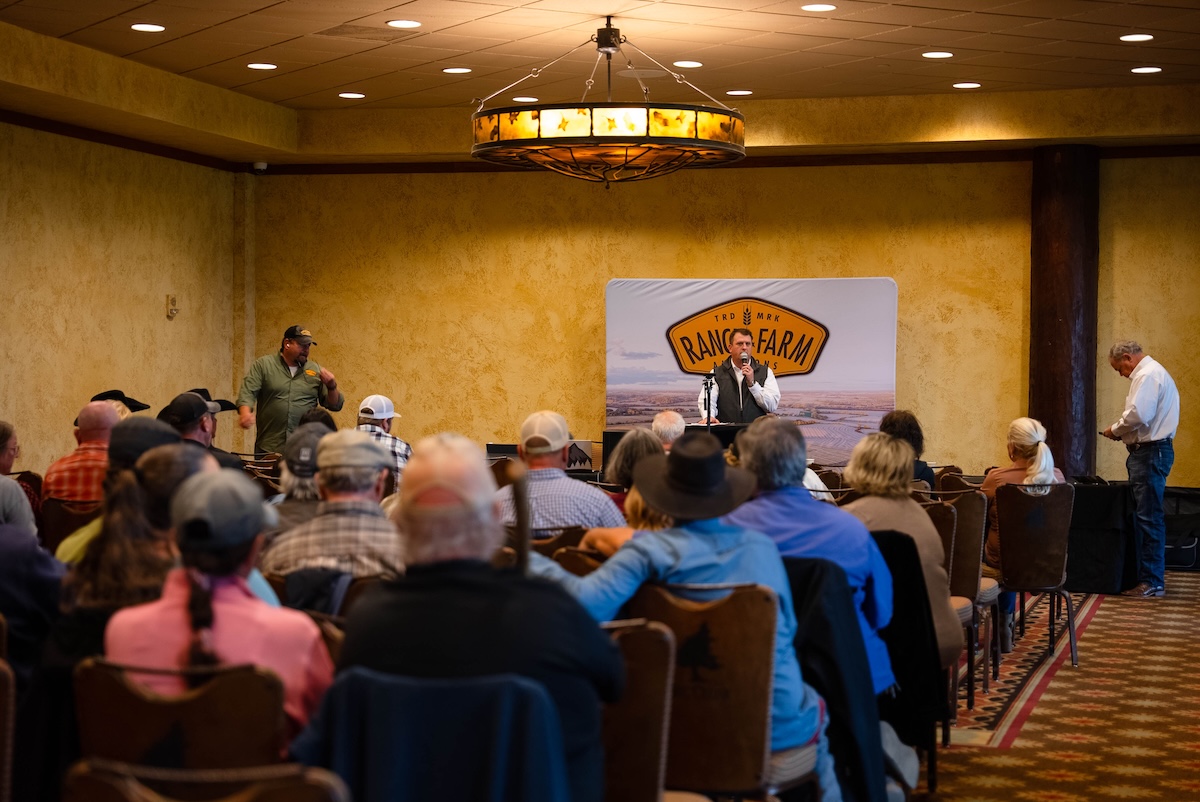
The auction bidding process can and usually does ebb and flow. The auctioneer is the primary crew member that maintains the pace, but the ones in the most control are those in the bidding crowd. Their pace is the foremost factor. That said, the auctioneer, ringman, and remainder of the auction employees can assist with those who might need help with faster-moving auctions.
“The first minute or so of the bidding is pretty rapid,” Lowderman said. “Then, it climbs the ladder from there. As it goes up the ladder, it’s generally bigger increments, so $250 or $500 bids. As it slows down a little bit, those increments become smaller to hundreds, and maybe even 50s, from there.
“We try to make it very, very clear and transparent so there is no confusion on the bidding, especially as it slows down,” Lowderman continued. “If you are interested, or you have a bid that needs to be entered, replaced, or you need to make another bid as we're nearing the end of the bidding window, get that ringman’s attention.”
How does the ringman help manage the auction process as it nears the end of the bidding window?
Some people attending auctions have minimal to no experience. Others are moderately so. No matter the experience level, ringmen are there to help. Their very job is to facilitate the bidding process, answer bidders’ questions, and ensure a smooth auction.
“Somebody that might not be a frequent auction goer or attend auctions regularly, might find certain parts of the process slightly difficult to understand,” Lowderman said. “So, we try to be clear and let you know what we're asking for, what the bid is, and more.
“The biggest thing that comes to mind is that a lot of those bidders want to make sure where the bid is,” Lowderman continued. “For example, say it’s a $7,000 bid, and the auctioneer is asking for $7,250.”
That ringman is scanning the entire room for potentially interested buyers. But they are constantly checking in with their current and expected bidders. Do you want to make that next bid? If so, you need to be on point, maintain contact (and eye contact) with the ringman, and relay those numbers of incremental bid increases. Make sure the ringman understands and fully knows your intentions. Be very deliberate in your verbal, but generally, non-verbal communication. While the ringmen is primarily there at the expense of the seller, he’s also at your disposal.
For landowners looking to sell at auction, contact Ranch & Farm Auctions. We can answer questions and help with your auctioneering needs. For buyers hoping to purchase land, check out some of the upcoming Ranch & Farm Auctions near you.